How to Start a Homegrown Garden (No Matter Your Space)
Whether you have a backyard, a balcony, or just a small patch of space, starting a homegrown garden is more achievable than most people think.
With rising food costs and a growing desire to be a little more self-sufficient, more people are looking for practical ways to grow their own food at home. The good news is—you don’t need a big block of land or a perfect setup to get started.
You just need to start small and start smart.
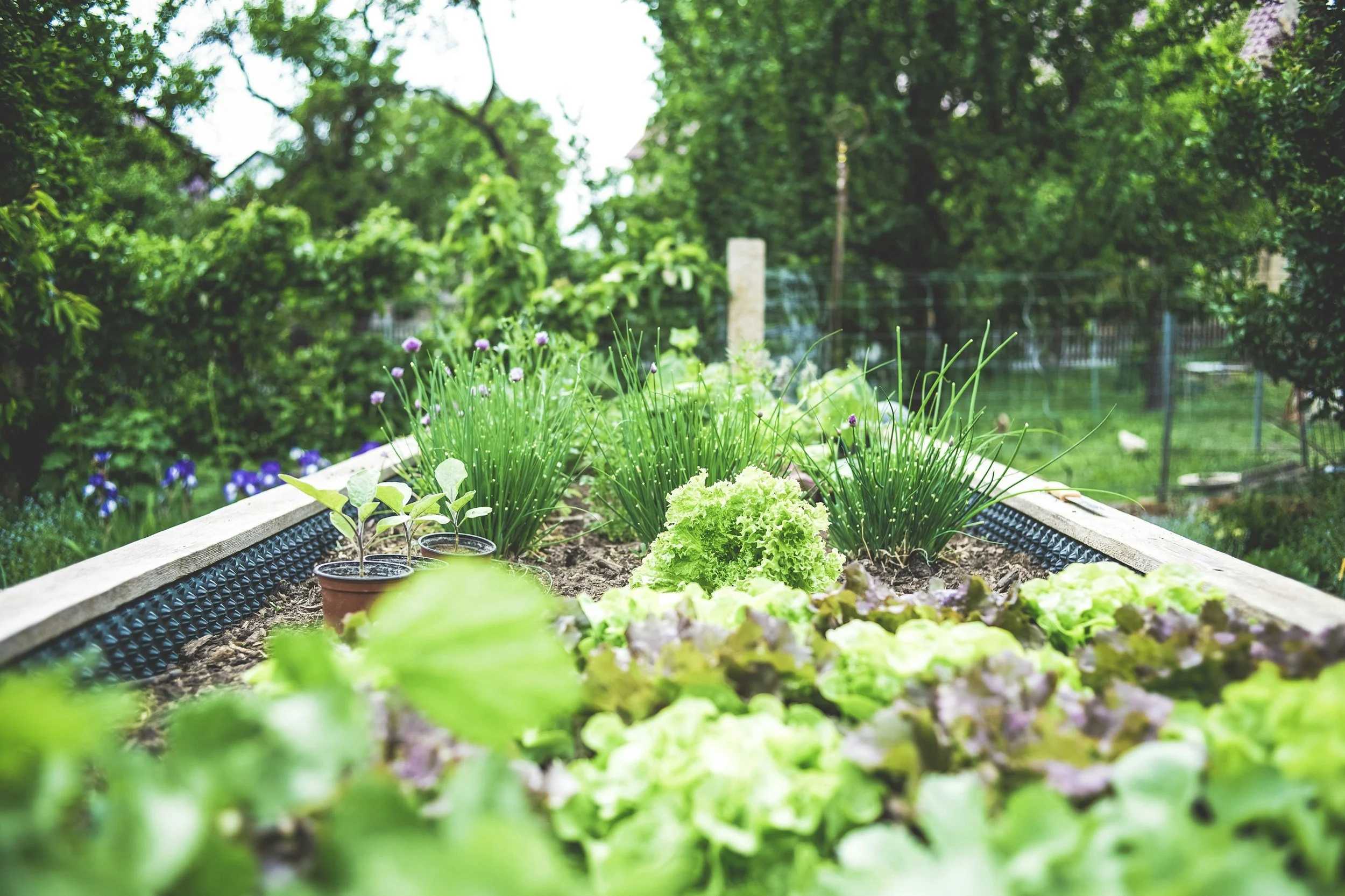
Work with the space you actually have
One of the biggest mistakes people make is thinking they need a full backyard to grow anything meaningful.
In reality:
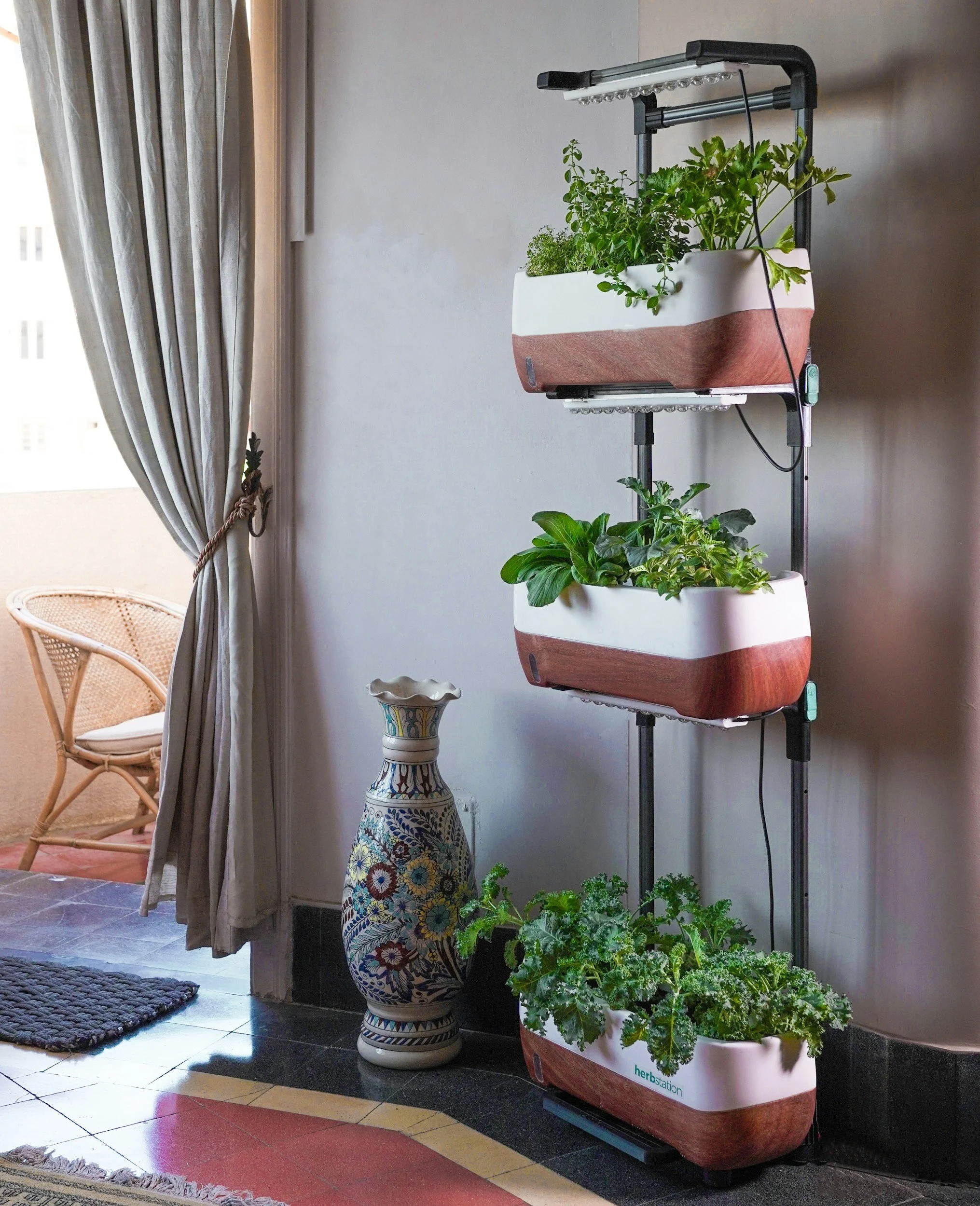
A windowsill can provide enough light to grow small pots of herbs
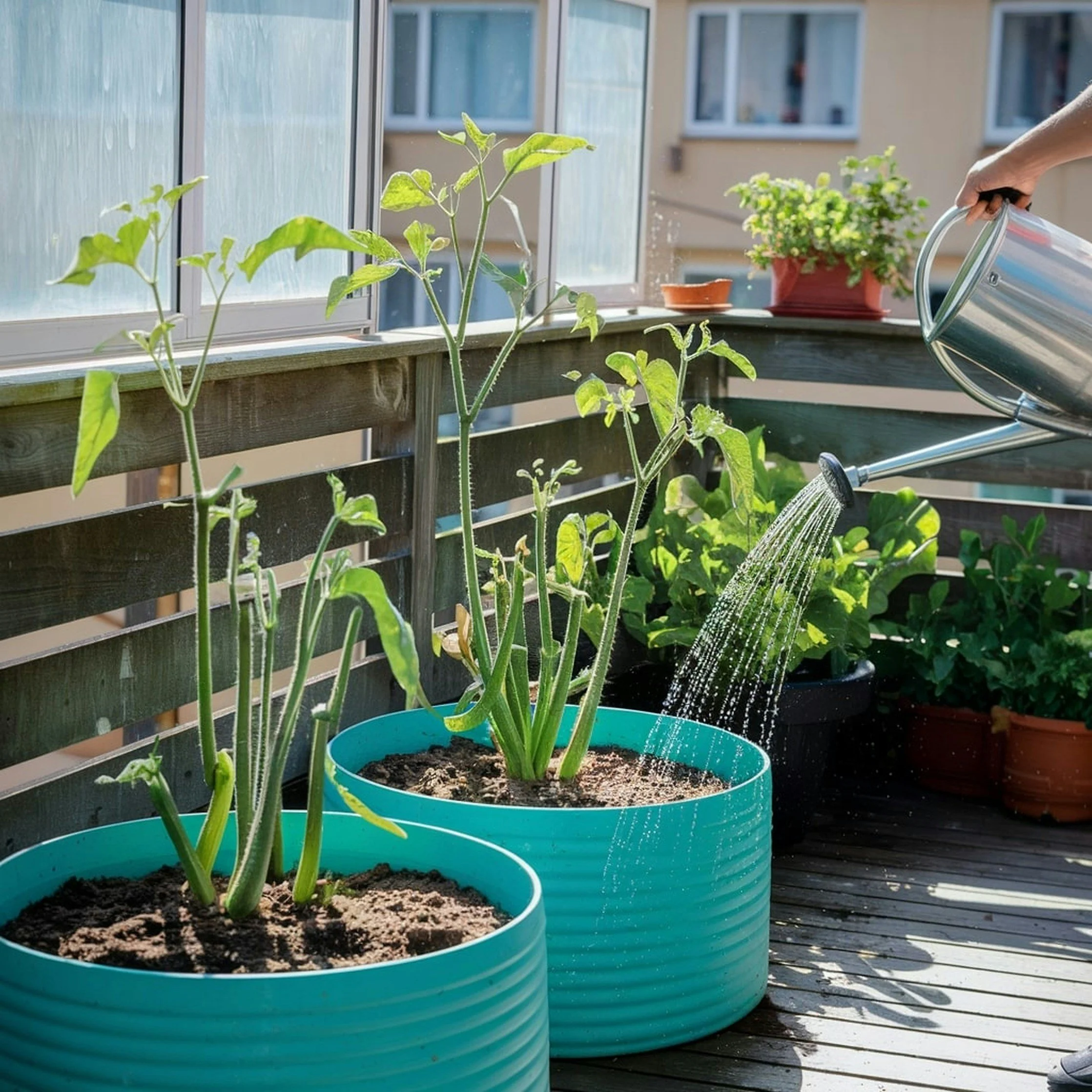
A balcony can support herbs, leafy greens, and even tomatoes
A verandah can be perfect for pots and vertical growing
A small yard can produce more than you expect with the right layout
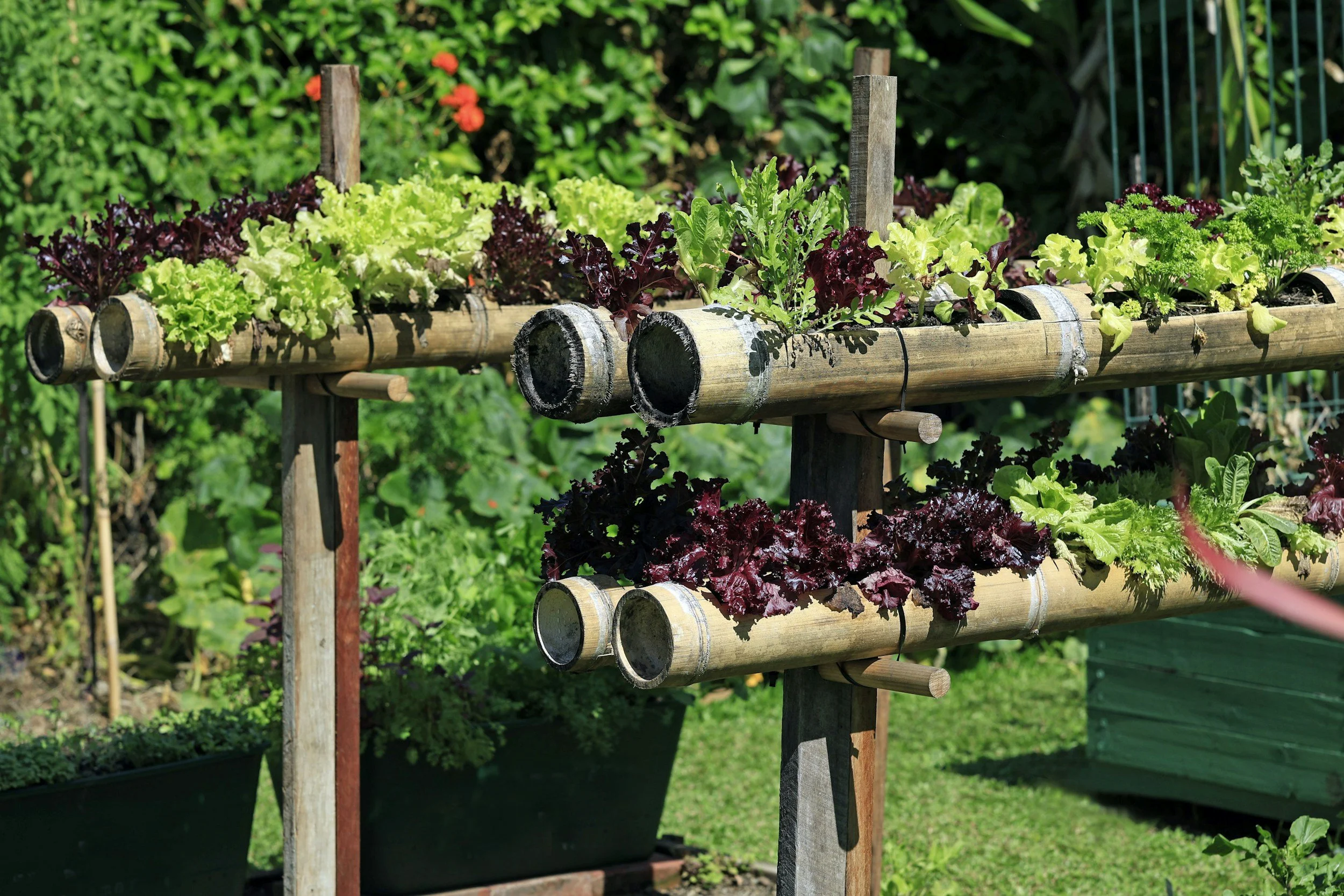
A fence or wall can support a vertical garden
The goal isn’t perfection—it’s making your space work for you.
Pay attention to sunlight (this matters more than anything)
Before you buy anything, take a few days to notice:
Where the sun hits
How long it stays there
Which areas stay shaded
Most edible plants need at least 4–6 hours of sunlight a day.
This one step will save you time, money, and frustration.
Start with easy, high-reward plants
If you’re new to growing, start with things that:
Grow quickly
Don’t need constant attention
Actually get used in your kitchen
Good beginner options:
Herbs (basil, parsley, mint)
Lettuce and leafy greens
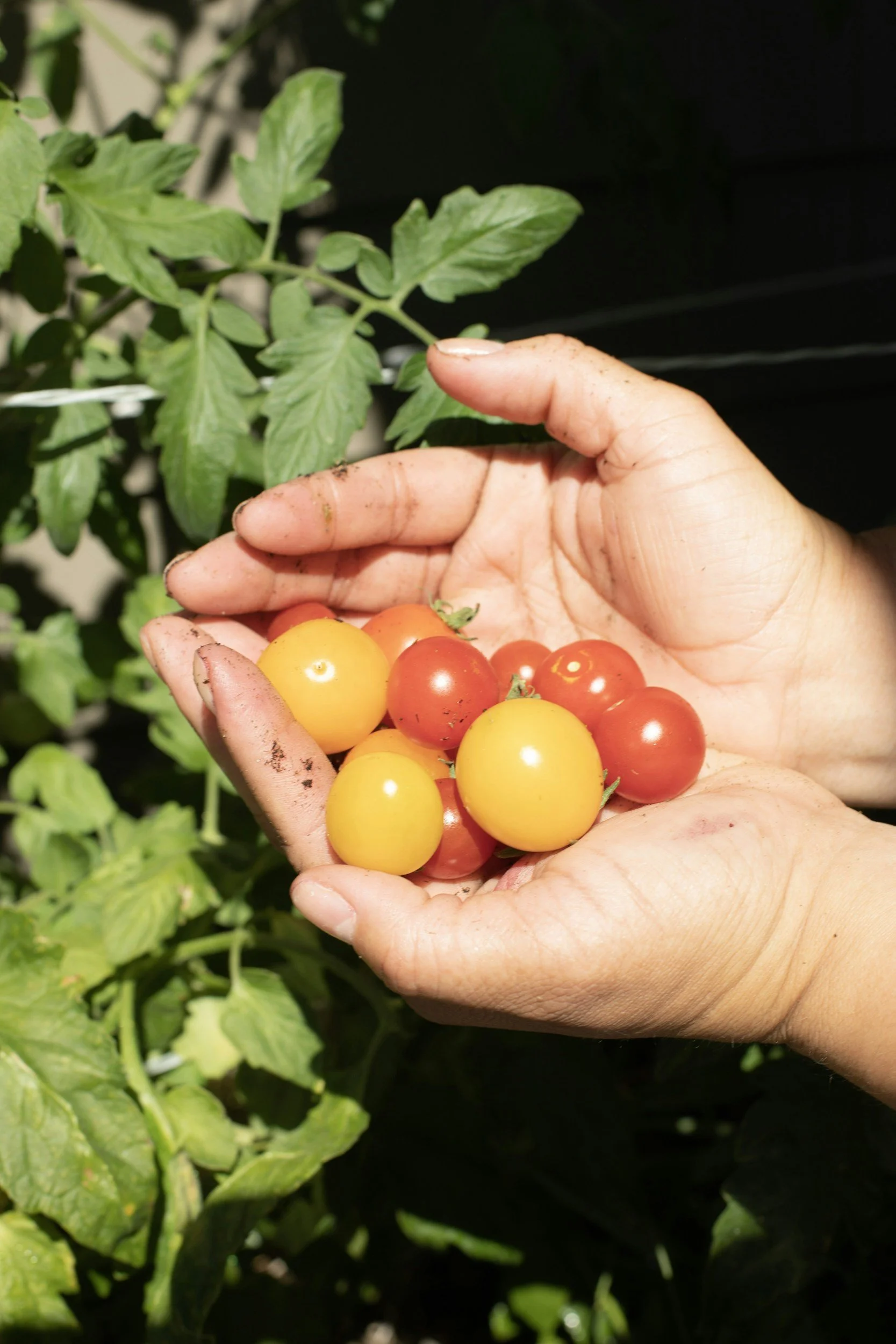
Cherry tomatoes
Spring onions
Starting small builds confidence—and momentum.
Keep your setup simple
You don’t need to build a full garden straight away.
Start with:
A few pots or containers
Good quality potting mix
A watering routine
As you learn what works, you can expand gradually.
Avoid the “all at once” trap
It’s tempting to try and create a full garden in one go, but can be overwealming.
Instead:
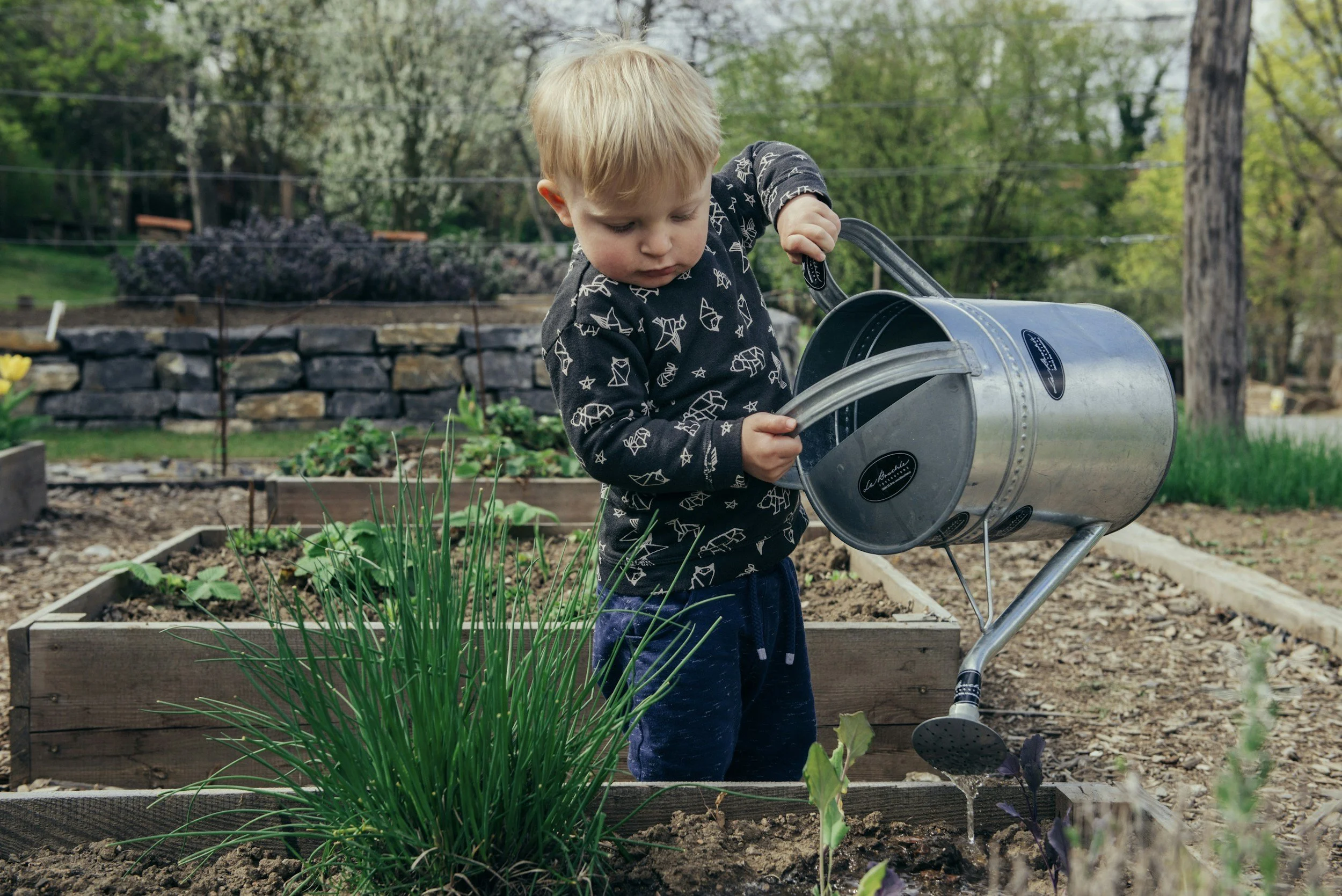
Start with 2–3 plants
Learn how they behave
Add more as you go
This approach is more sustainable—and more successful.
Have realistic expectations
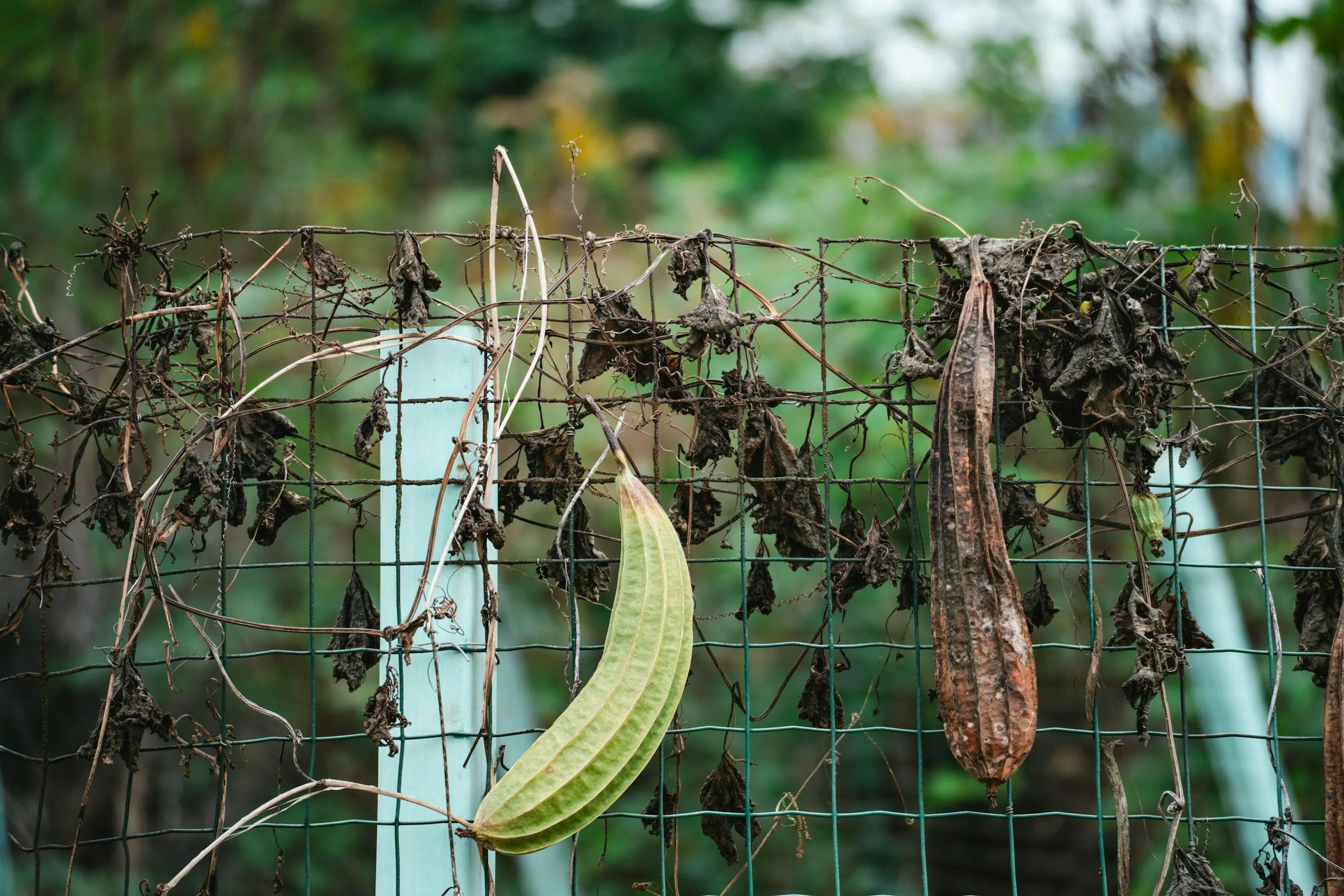
Most common garden vegetables are referred to as ‘annual’ plants. Annual plants complete their life cycle in one season and then die. So after nurturing them till they produce a crop, they die to make way for the next season’s crop - whatever that may be. In the process they tend to leave seeds into the soil, making for a pleasant surprise the following year.
I personally enjoy pulling spent plants out at the end of their season, turning and composting the soil, then planting whatever I like that will grow well in the season to follow.
Common annual plants and herbs:
Vegetables: Tomatoes, cucumbers, capsicums, lettuce, beans, corn and carrots
Herbs: Basil, cilantro (corriander) and dill
A helpful next step (if you want a clear plan)
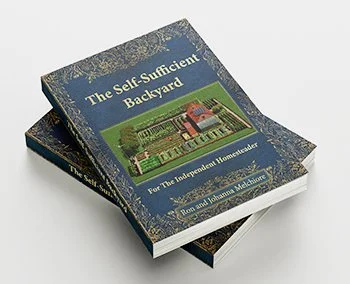
If you want a clear, step-by-step guide to setting up a productive garden, check out The Self-Sufficient Backyard. This guide might look a little old-school—but that’s actually part of its value. It has been written by a couple who have mastered the art of growing a self-sufficient back yard over many years. Their advice comes from real experience, focussing on practical methods proven to work time after time. Priceless!
Final thoughts
You don’t need a perfect setup to start growing your own food.
Whether it’s a few pots on a balcony or a more established backyard setup, the key is to begin with what you have—and build from there.
Small steps can lead to something surprisingly productive over time.
This post contains affiliate links. I may earn a small commission at no extra cost to you.