
The Joy of Backyard Chickens (and what I wish I knew before starting)
Backyard chickens are one of the most rewarding pets you can add to your home (even homes with small back yards) —but there are a few things I wish I had known before starting.
From setup to daily care, this guide shares real-life experience to help you get started the right way.
Backyard chickens for beginners, raising chickens at home, chicken coop ideas, self-sufficient living.
I’ve had many different pets in my lifetime; however, backyard chickens have been one of the most unexpectedly joyful to own.
The idea of having chickens was initially about providing fresh eggs and self-sufficiency. However, they provided much more than that and quickly became part of our daily life and family.
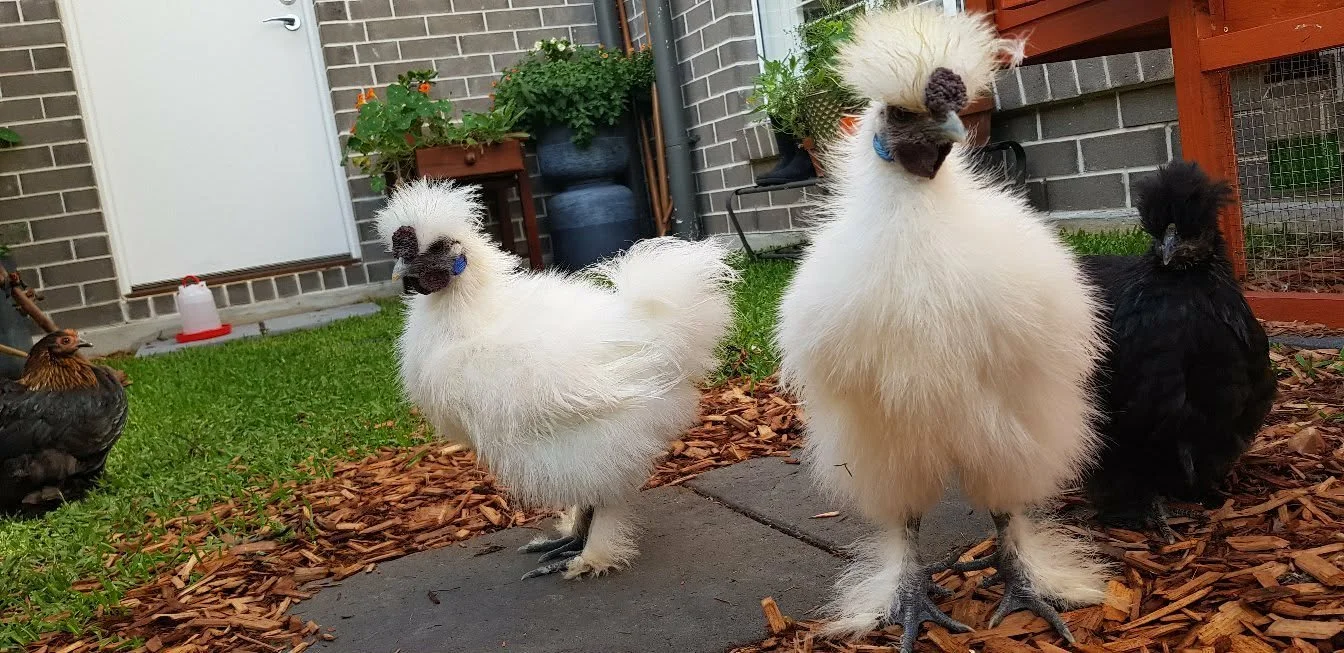
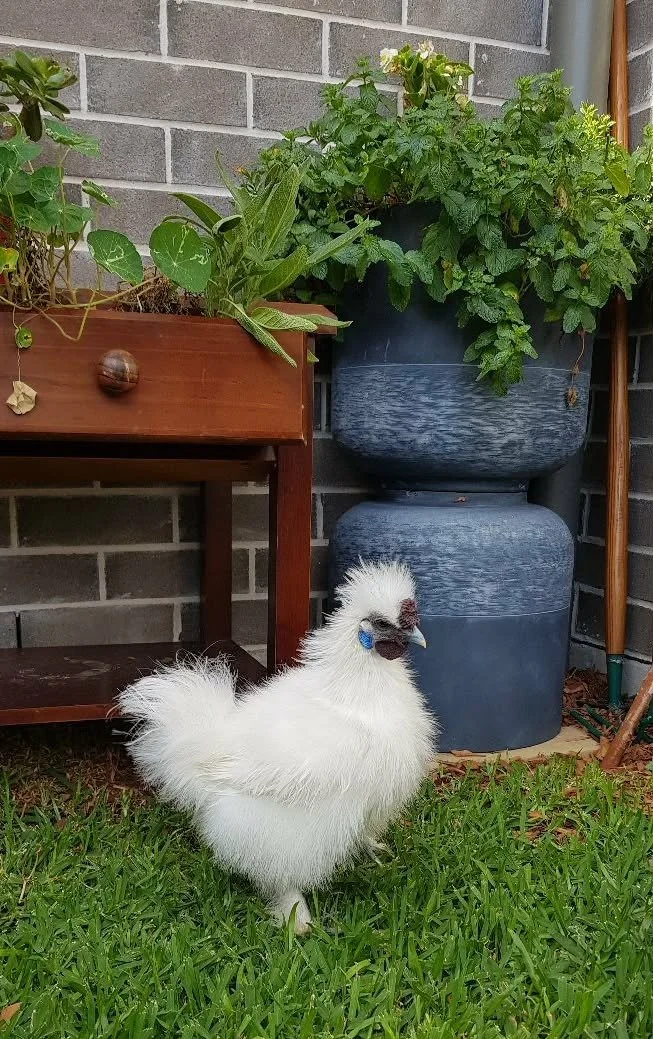
We chose to have bantams, a smaller breed of chicken. This made them ideal for our suburban back yard as they require less space. They are very low maintenance and while they are social and friendly, they are just as happy to be left to go about their business. Bantams make excellent pets and are great for children. The experience of keeping them is something I’d recommend to anyone considering backyard chickens.
It’s more than just eggs
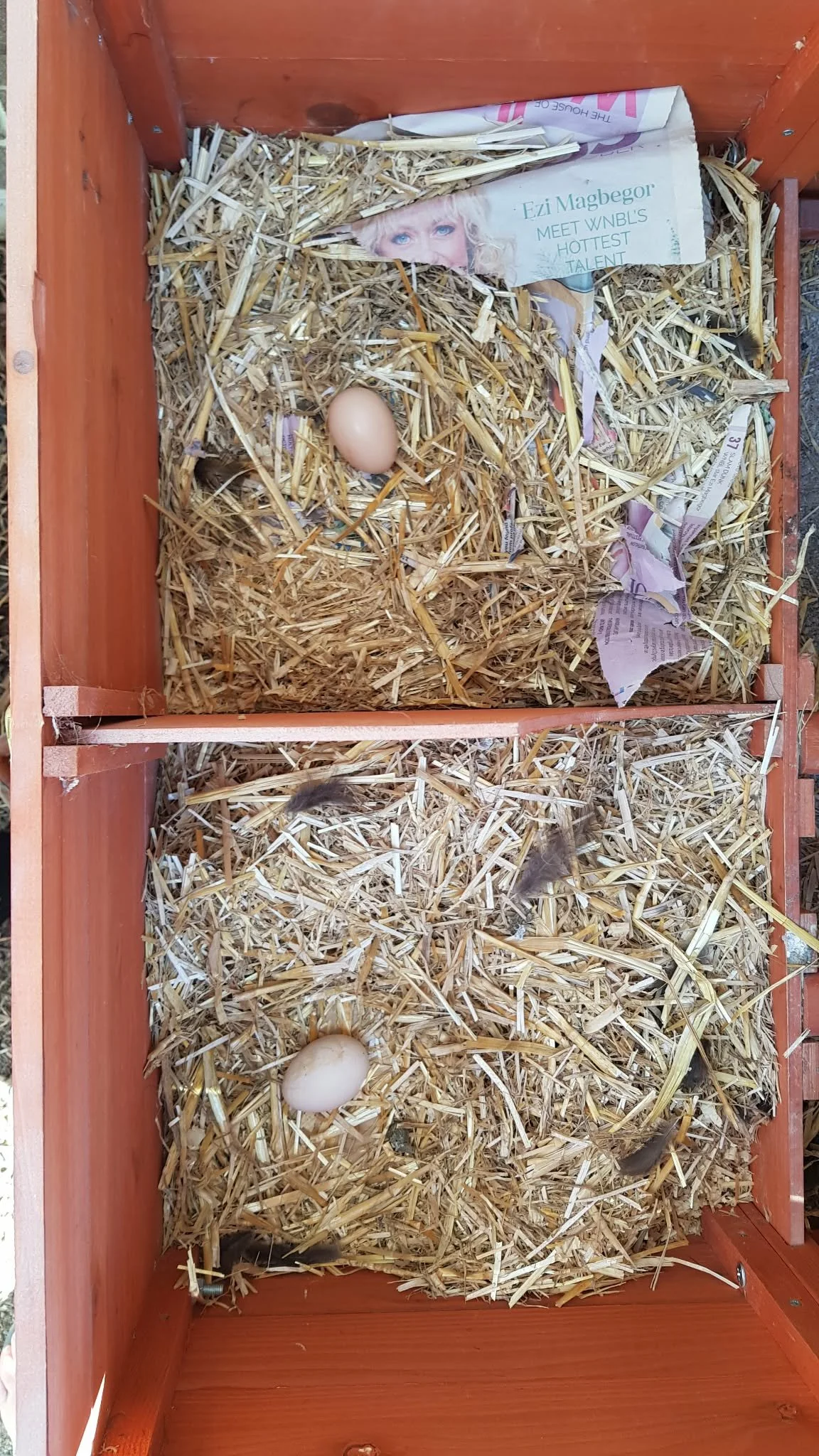
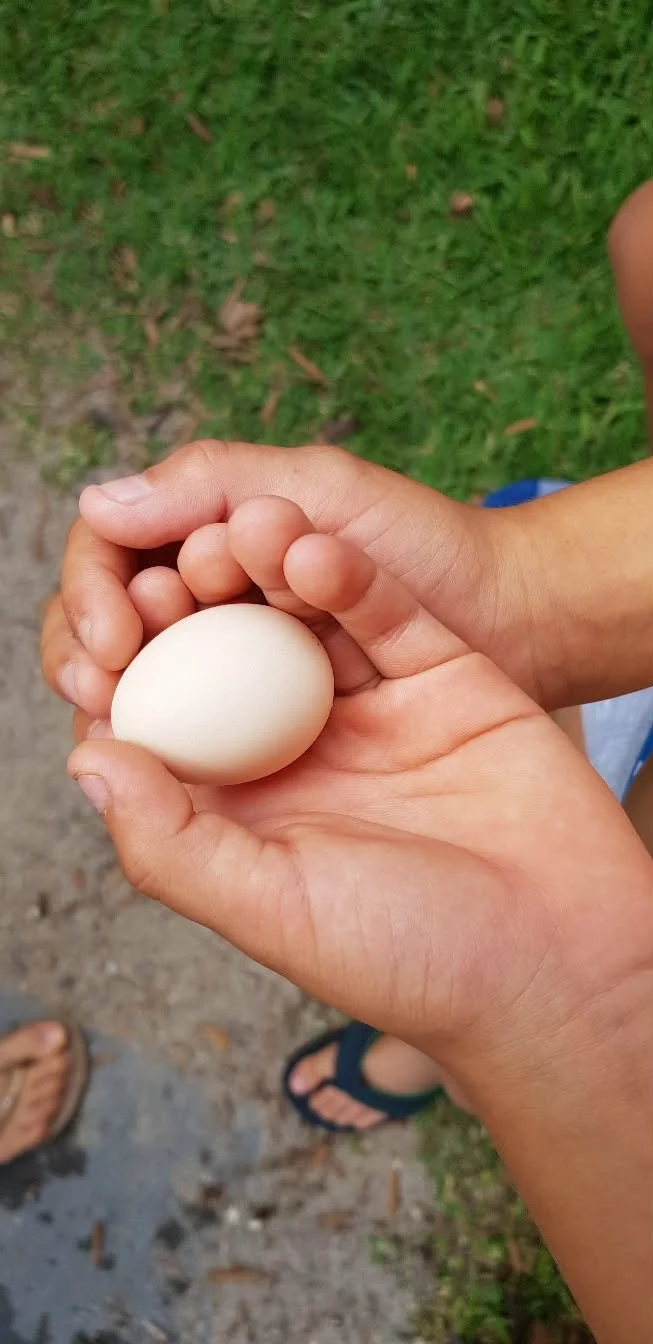
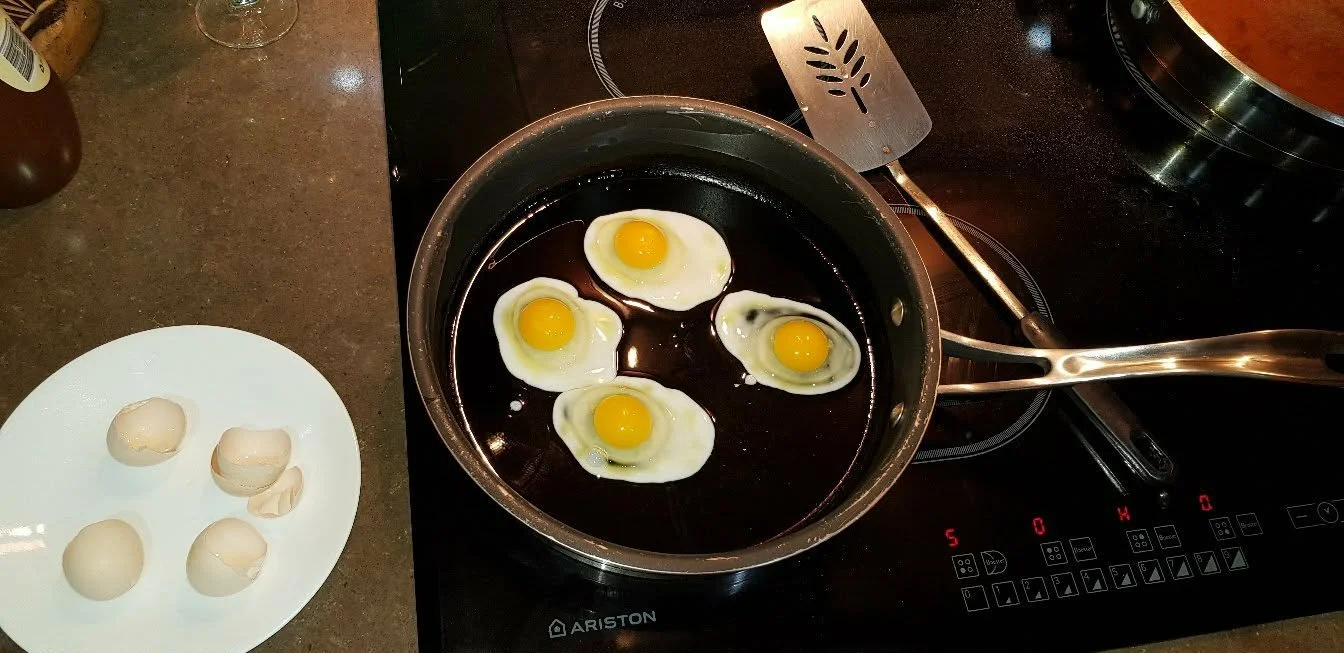
Yes, the fresh eggs are a huge benefit. With rising food costs, changing supply conditions, and a growing desire to live a little more self-sufficiently, more people are starting to keep backyard chickens, and it’s easy to see why. The excitement of rushing out in the morning to check for eggs never got old. Mind you, Bantam eggs are quite small, but this created a novelty for the children, and I was cooking up eggs almost as quickly as they were laid. They were definitely richer in taste than store bought eggs.
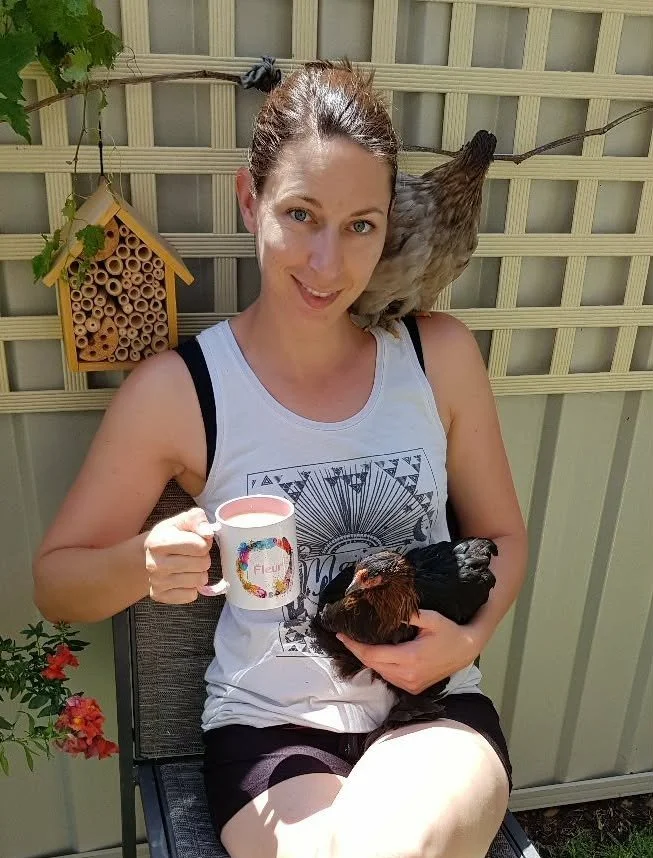
The other benefits such as eating up kitchen scraps, manure for compost, eating up garden pests were great, but what I didn’t expect was how much joy they would bring us. Simply watching them fossick was entertaining and we found ourselves being drawn outdoors. It became part of our daily routine to sit and relax together on the deck with a cuppa in the morning (or glass of wine in the evening) and watch them free range in the gardens. They helped us interact more as a family and switch off from daily stress or worries.


They make your home feel alive
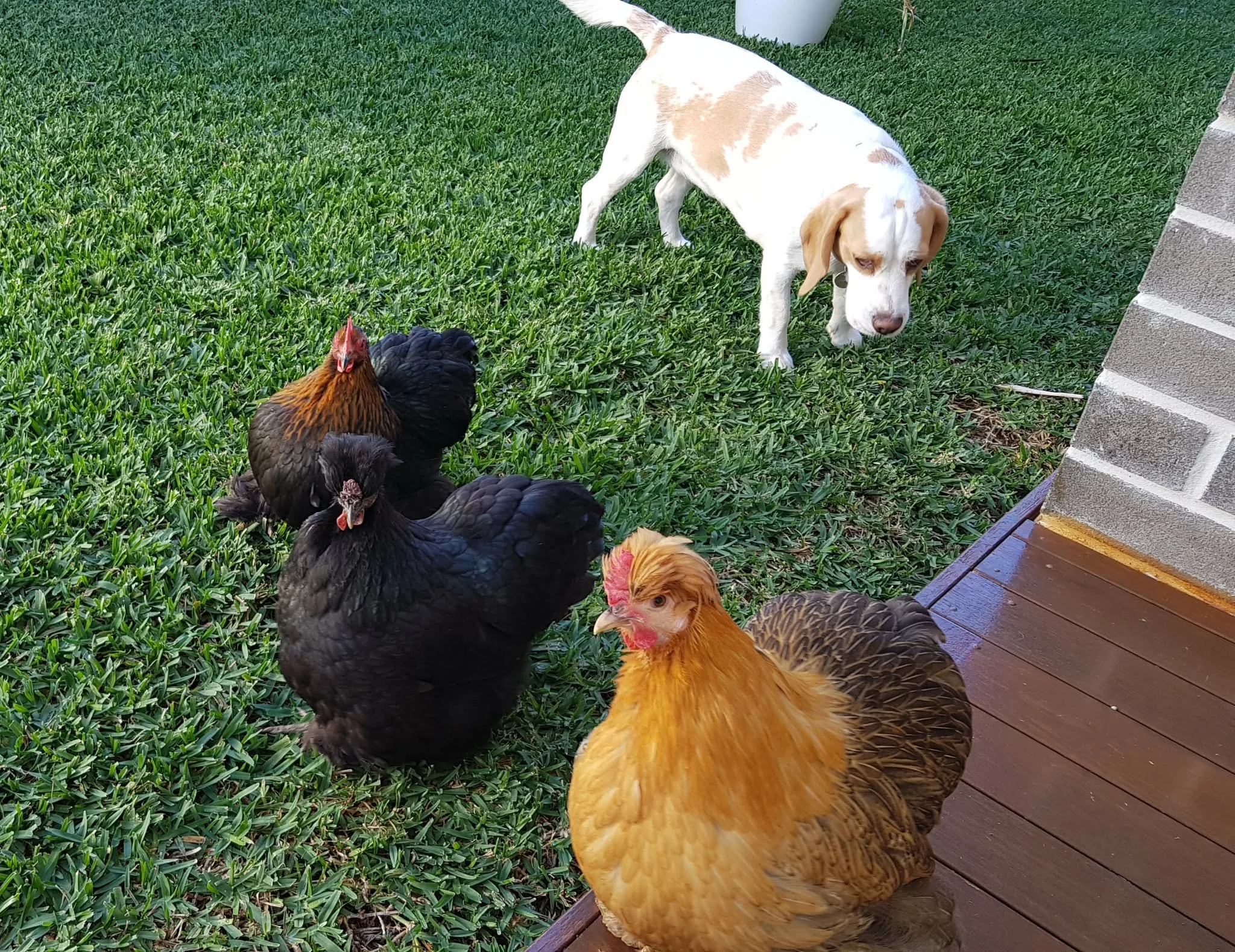
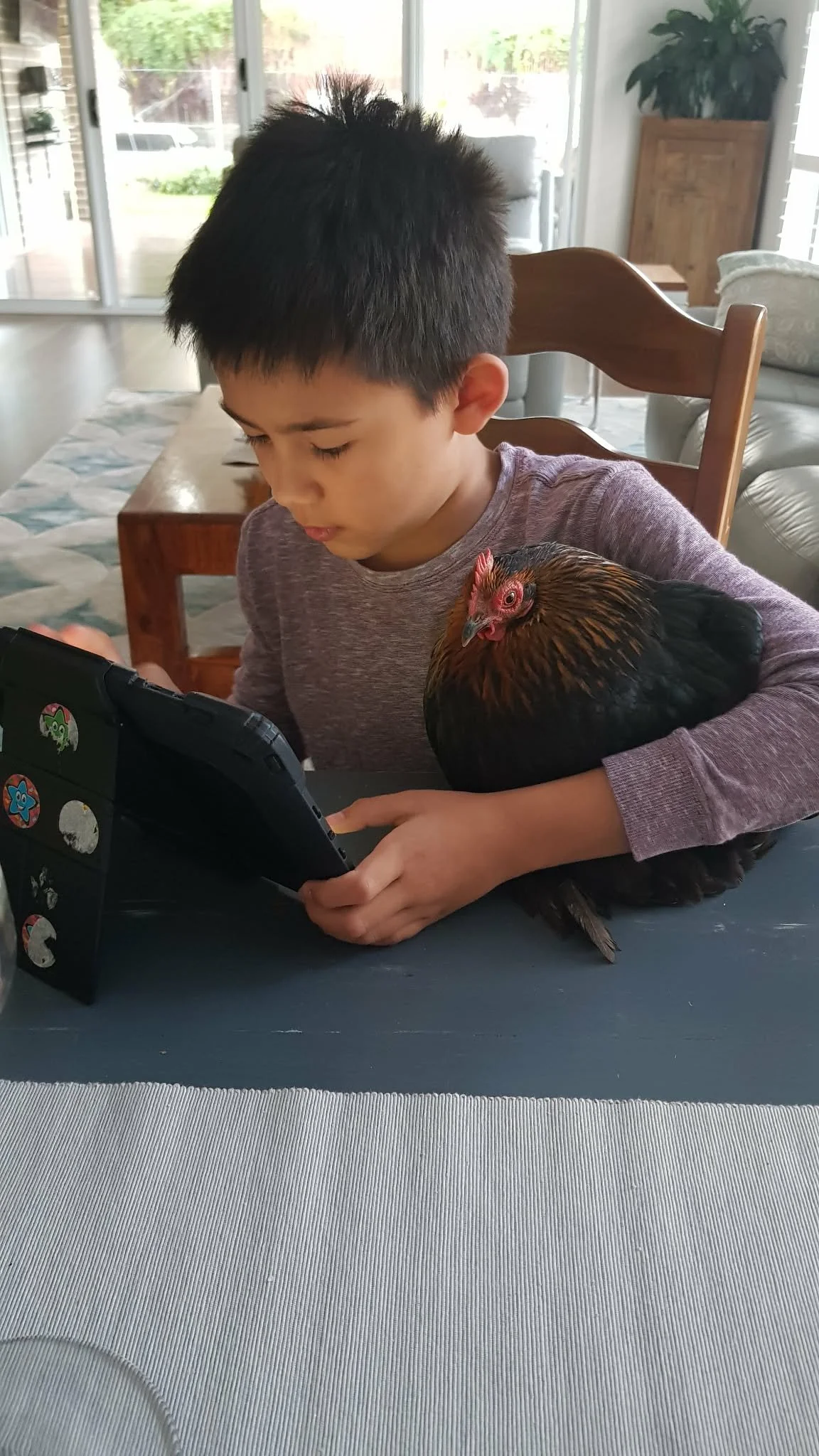
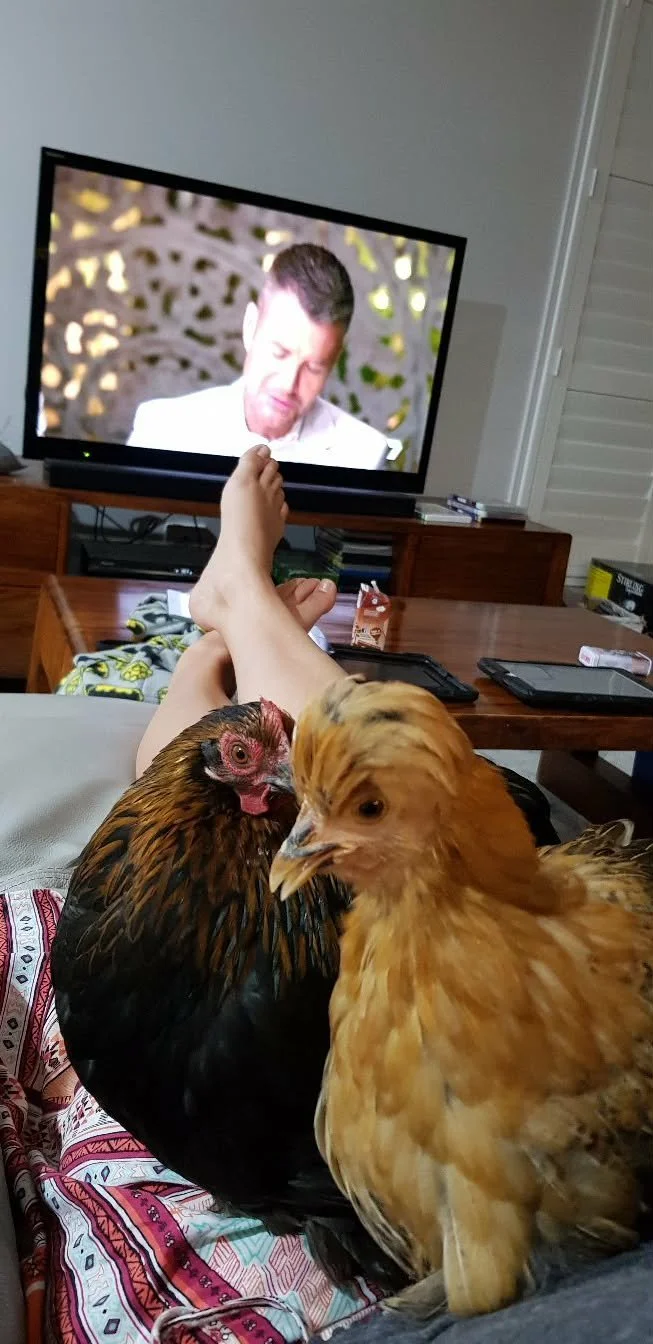
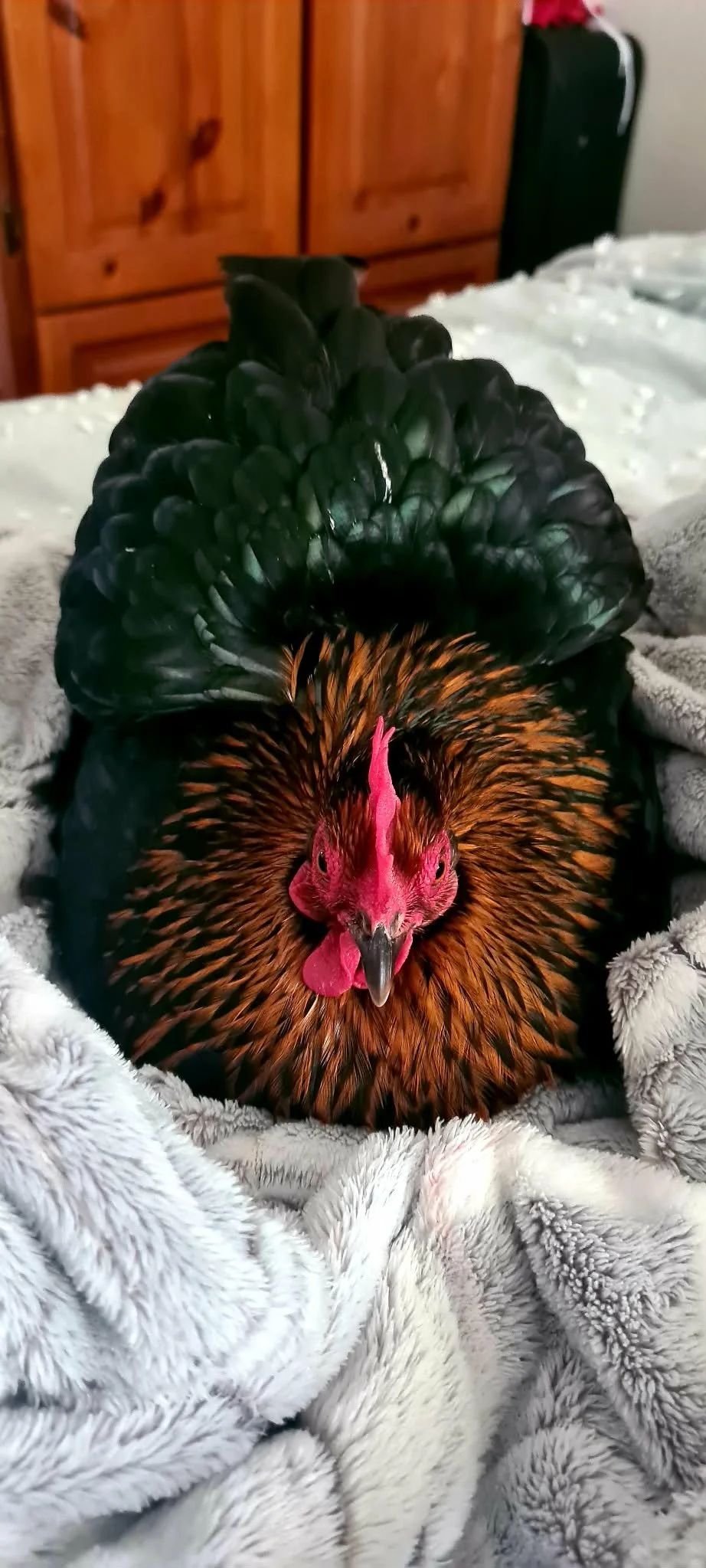
Just as much as any other pet, Chickens added warmth and life to our home with their quiet business, curiosity and companionship. They happily interacted with us and would approach to be hand fed, sit on our laps or be cuddled.
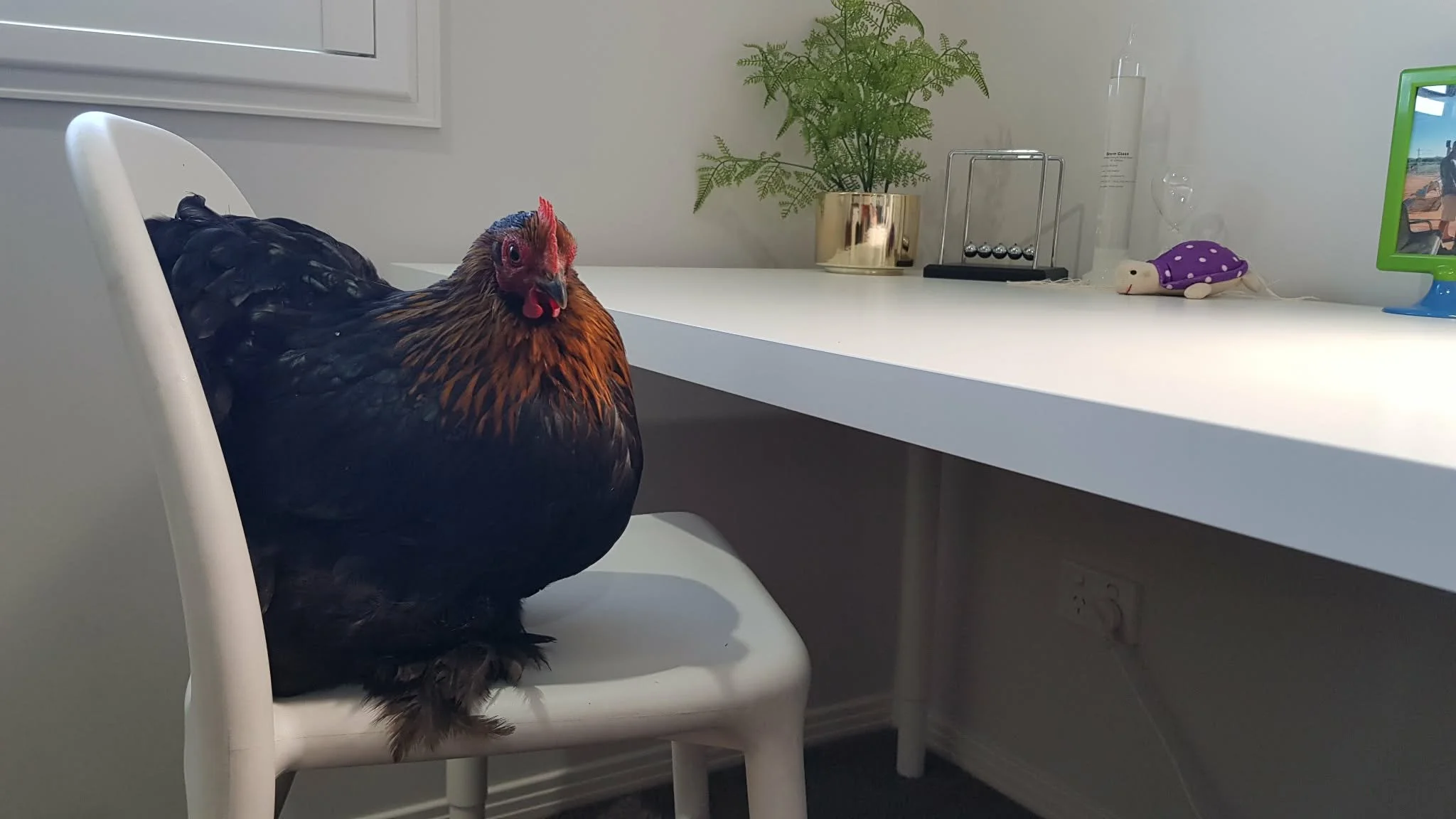
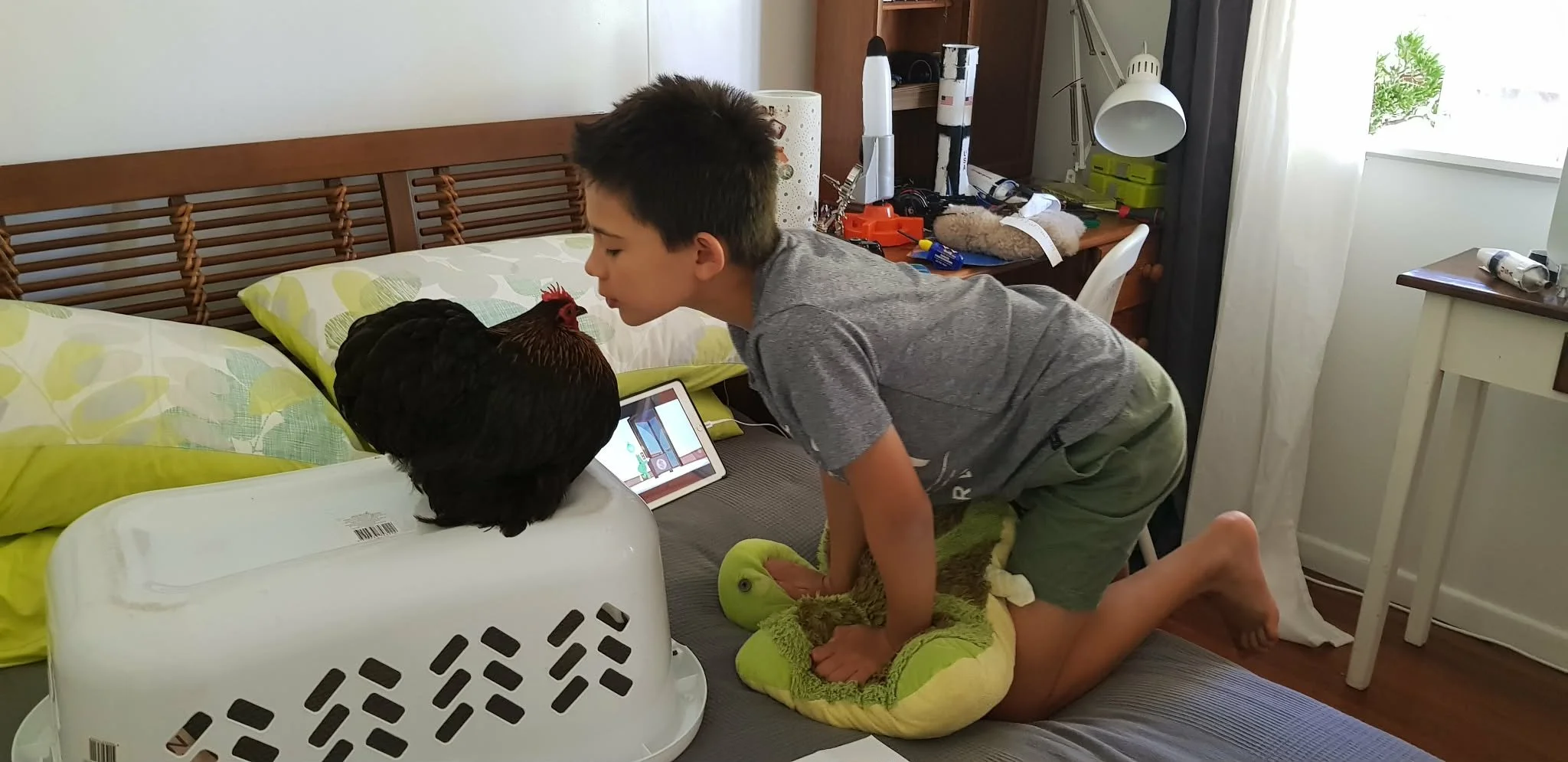
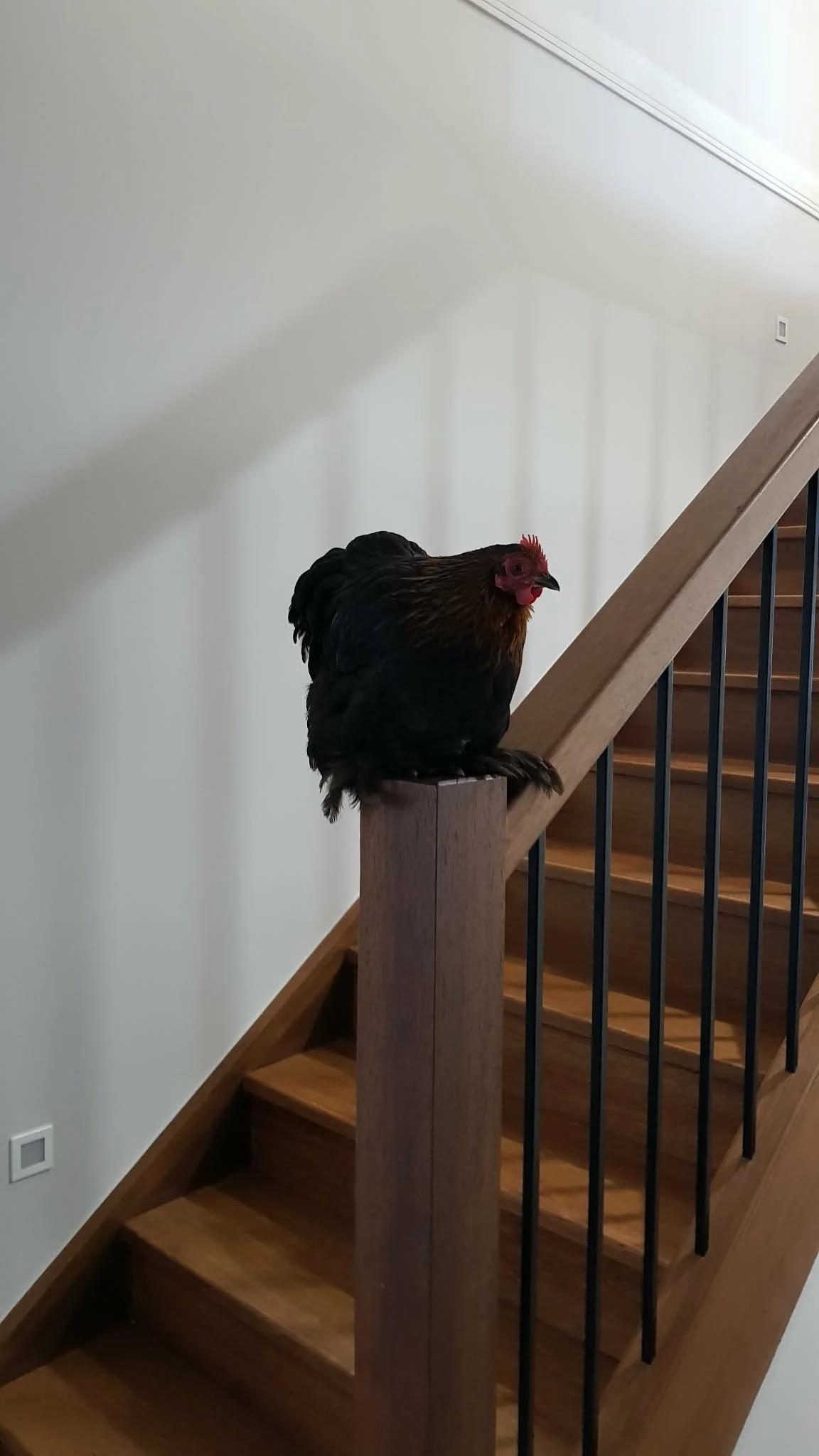
While they’re not traditionally indoor pets, ours definitely didn’t follow that rule. I have to admit they were brought into the house occasionally and if a door was left open, would wander in to peck food mess off the floor or find somewhere to perch and watch what we were doing (a pack of wet wipes was handy to clean up any little messes they happened to leave behind). One of our bantams decided that the end of my son’s bed was the perfect place to lay her eggs and would try and sneak in each day to do so. Checking the end of his bed for eggs became one of those funny, memorable parts of having bantams.
Whether they were busy in their coop, free ranging in the yard or sneaking inside, there was something really grounding about having them around.
How to keep chickens (and what I wish I knew before starting)
If you’re thinking about getting backyard chickens, it’s not as complicated as you may think.
When I first started, I spent a lot of time researching, second-guessing decisions, and learning through trial and error. While it all worked out, there were definitely things I wish I had known from the beginning. Once I figured it out, they became low maintenance and low-cost pets.
What you actually need to get started:
A secure coop and run (We had this style of coop which was ideal for 3-4 bantams)
Food and water setup
Nest bedding
A beginner flock of 3-6 hens (they are social and need company)
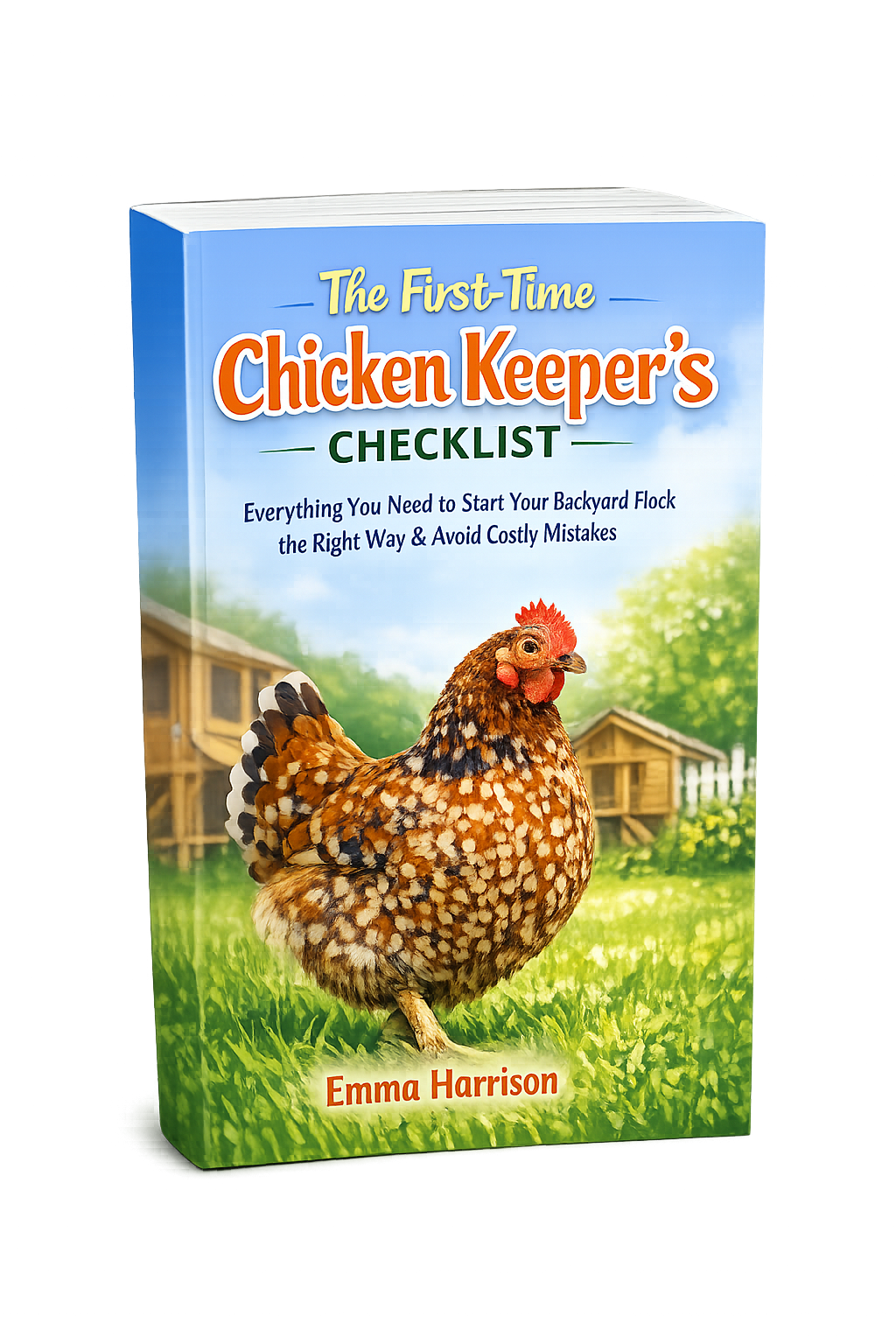
For a detailed guide on how to keep chickens, I can confidently refer you to this chicken-keeping guide that I wish I had found sooner. It cuts through all the confusing information and lays out everything you need to know to get started in a simple and practical way. In my opinion, this guide is a must have for anyone wanting to bring the joy of chickens into their life.
You can check it out here
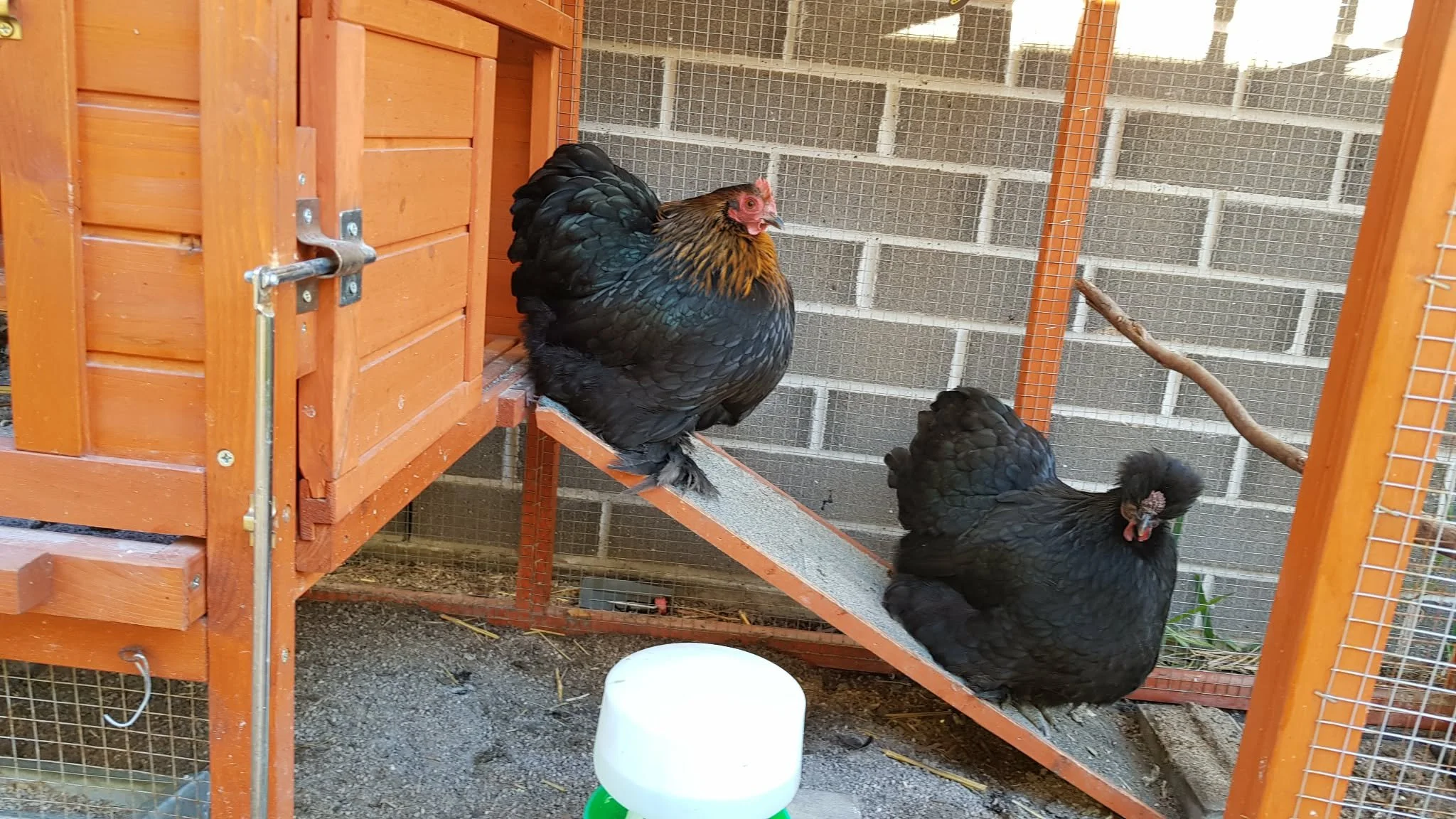
This size coup was ideal to house up to 4 bantams, provided they could be let out into a larger run and/or had free ranging time during the day.
Creating a space that works
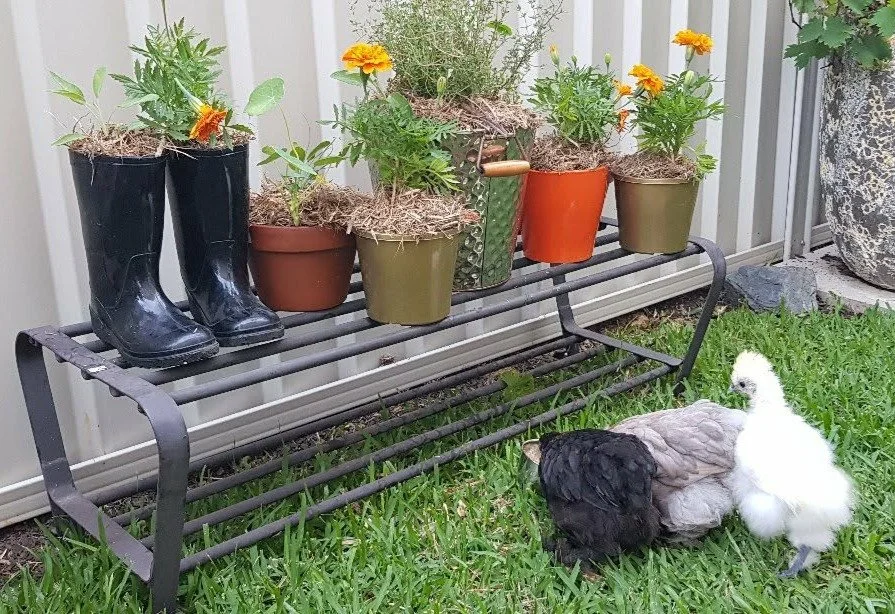
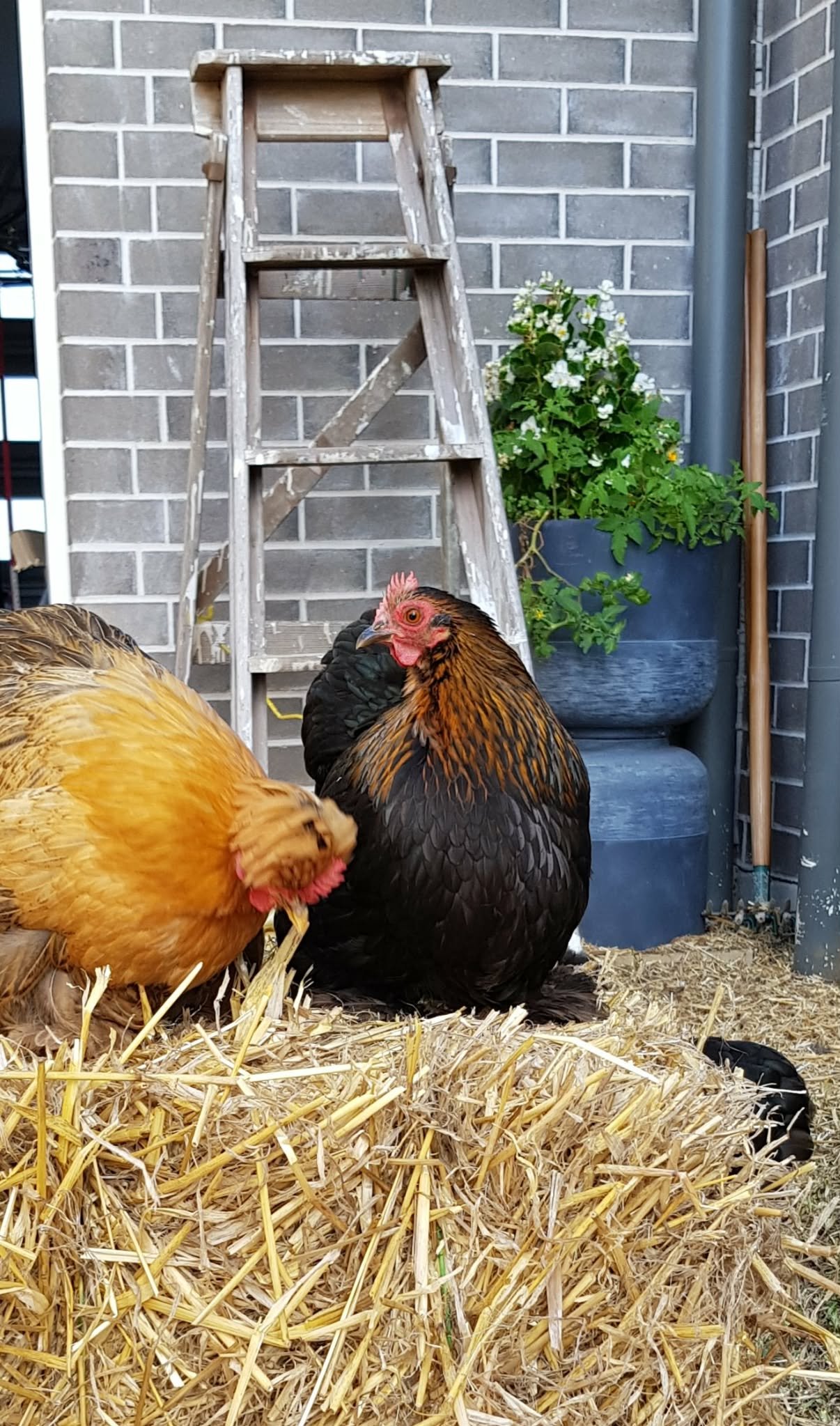
Of all the basic requirements for keeping chickens, I got a lot of satisfaction out of setting up their coop and yard with environmental enrichment. Chickens get bored easily and need an environment that encourages their natural behaviours, such as foraging, dust bathing and perching - which are important for their overall health.
The simplest ideas, often being creative with things I already had, provided the best enrichment for them:
Branches tied together with twine for perching
Old pots and even boots planted with herbs for them to peck at
Bits of furniture repurposed into little perching areas
A bale of hay they could slowly pull apart (which later turned into compost)
Enriching their environment also provided us with hours of entertainment as we watched them explore. Their yard constantly evolved as I learned what they enjoyed most.
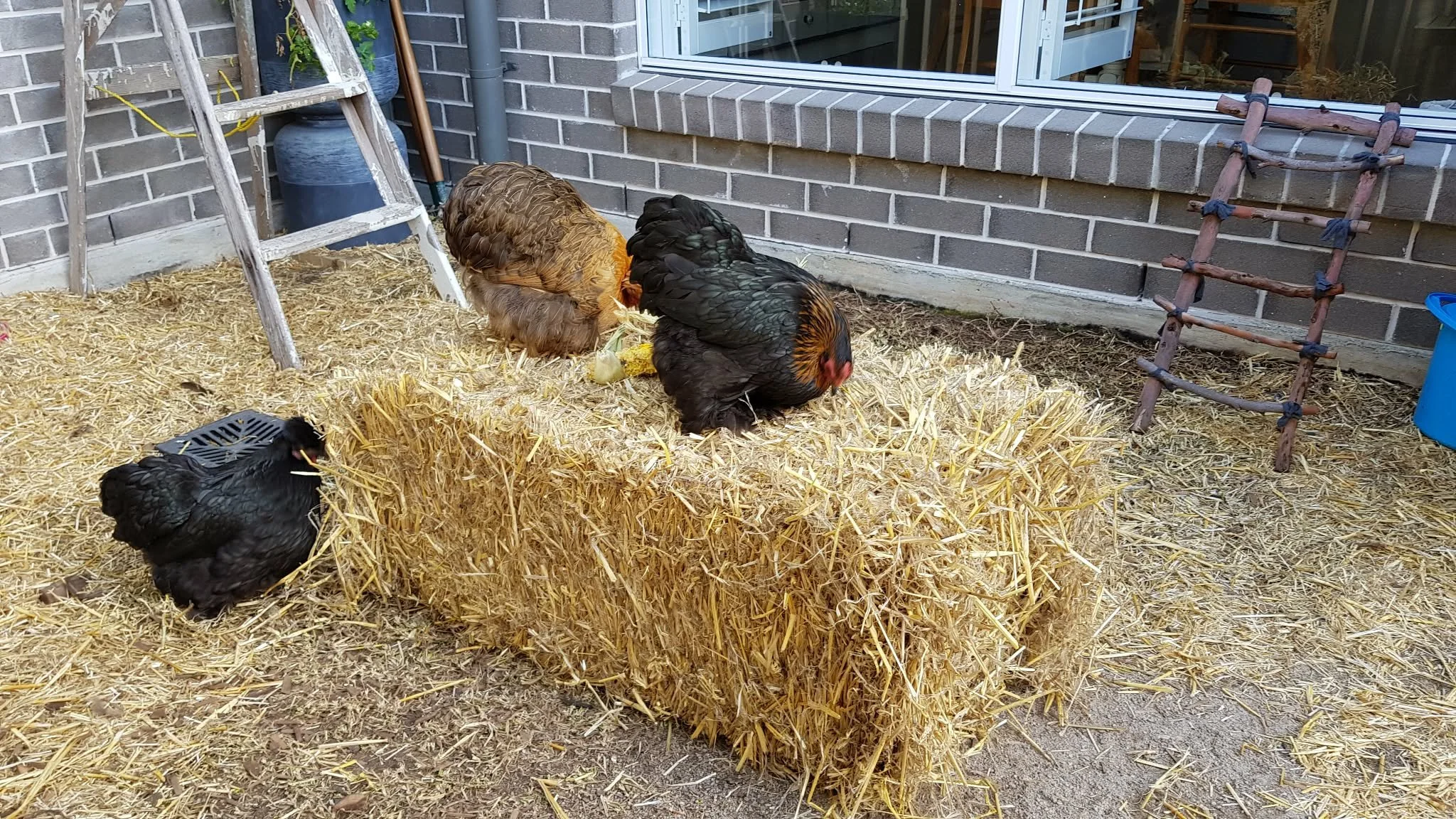
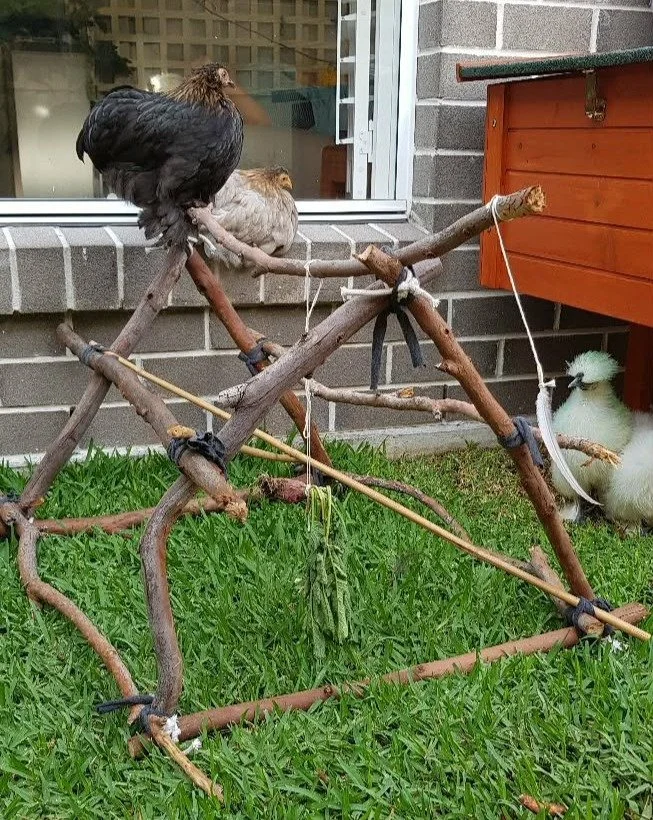
Chicken Coop & Setup Inspiration: Useful Products to Consider
When I was getting started, I found it hard to know what was actually worth buying. So I’ve put together a list of products to give you a starting point. It’s a mix of things I’ve used myself and others that I know are practical, reliable, and worth considering for your own setup. You can see my Backyard Chicken Essentials here.
I may earn a small commission from some links, at no additional cost to you.
Final thoughts
Backyard chickens don’t just give you eggs, they add something very special to your home.
They bring a sense of routine, connection, and a surprising amount of joy to everyday life.
If you’re even considering it, it’s absolutely worth eggsploring (sorry!).

This post contains affiliate links. I may earn a small commission at no extra cost to you.
How to Start a Homegrown Garden (No Matter Your Space)
It All Begins Here
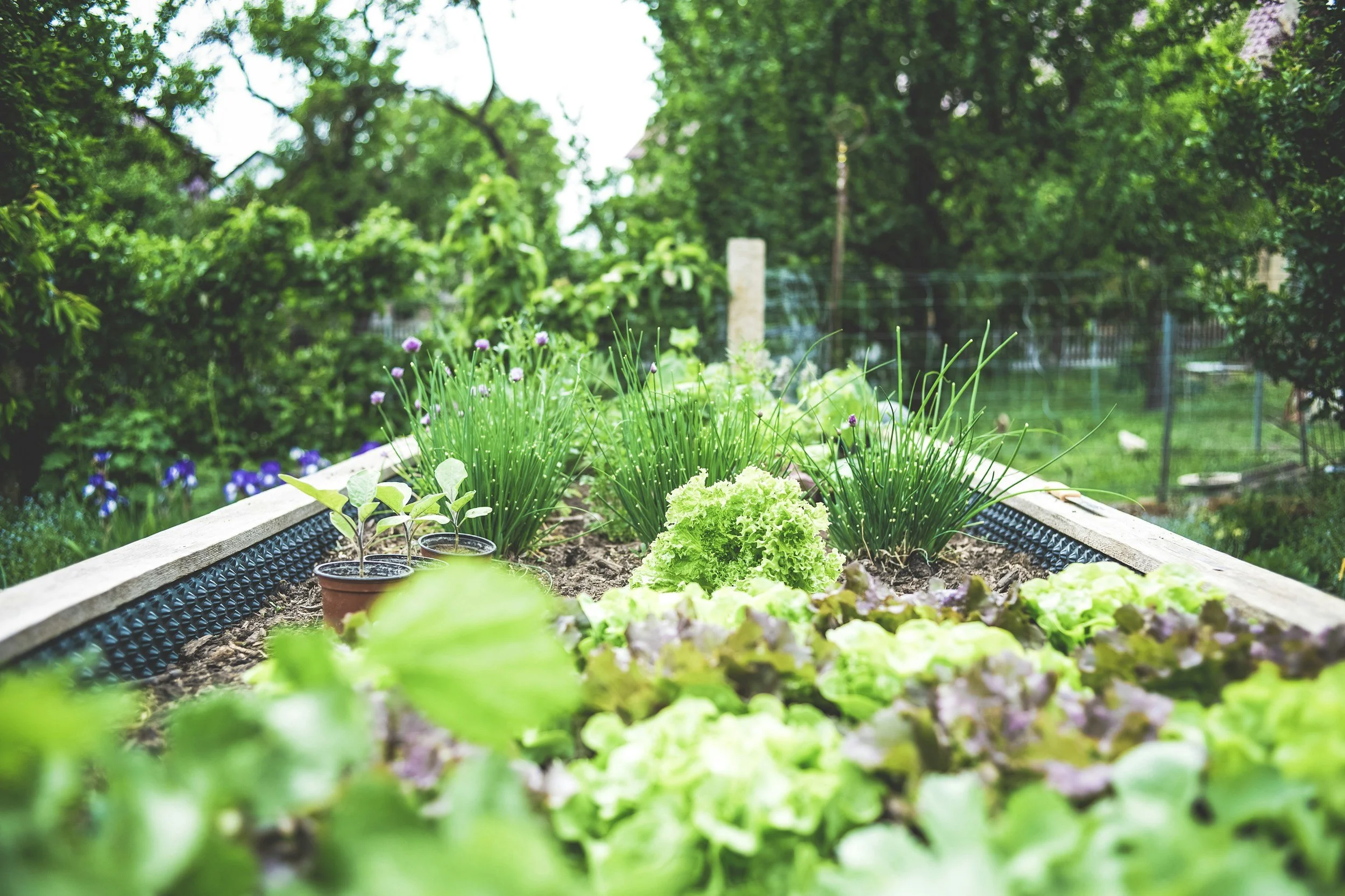
Whether you have a backyard, a balcony, or just a small patch of space, starting a homegrown garden is more achievable than most people think.
With rising food costs and a growing desire to be a little more self-sufficient, more people are looking for practical ways to grow their own food at home. The good news is—you don’t need a big block of land or a perfect setup to get started.
You just need to start small and start smart.
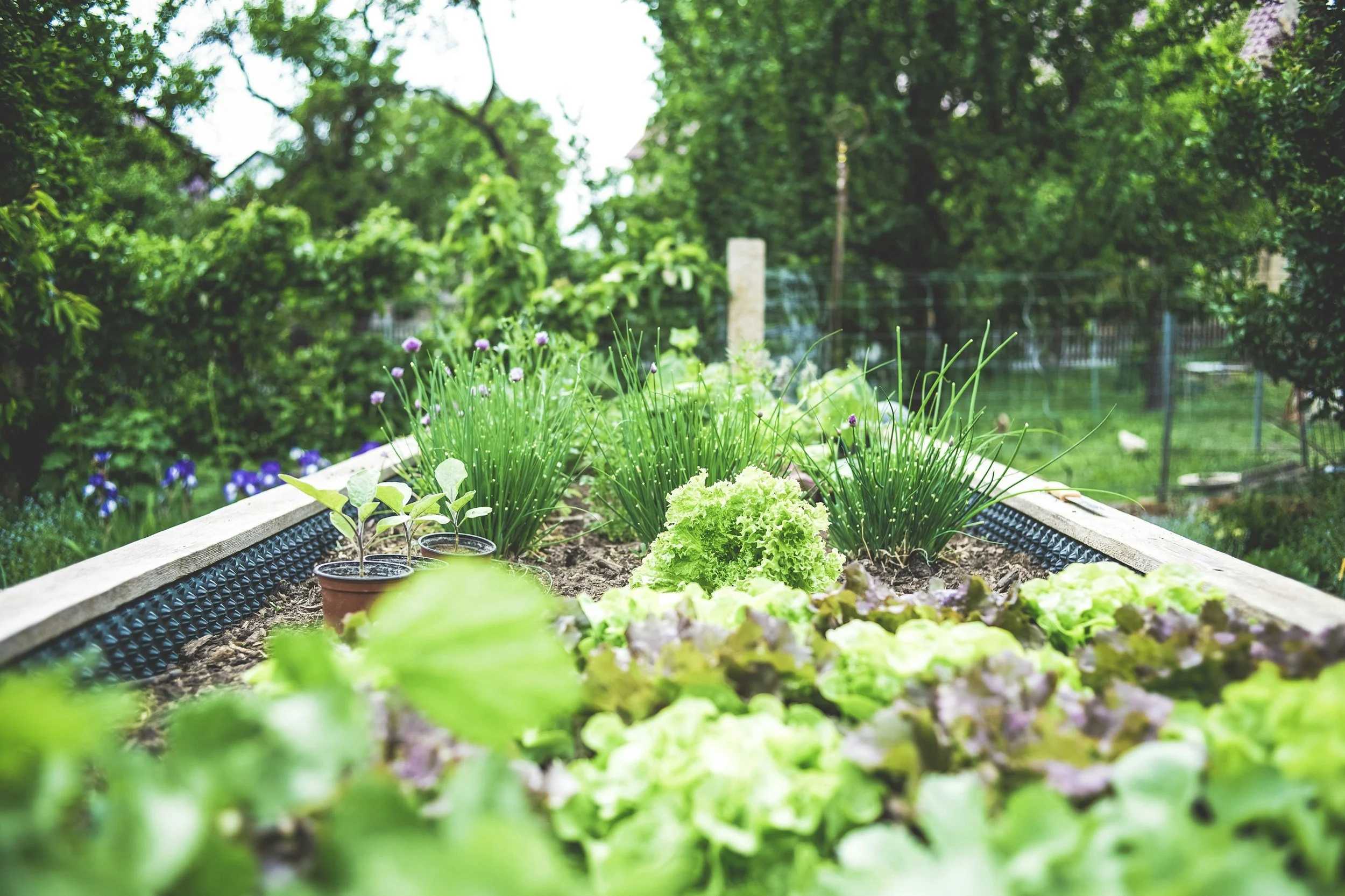
Work with the space you actually have
One of the biggest mistakes people make is thinking they need a full backyard to grow anything meaningful.
In reality:
A windowsill can provide enough light to grow small pots of herbs
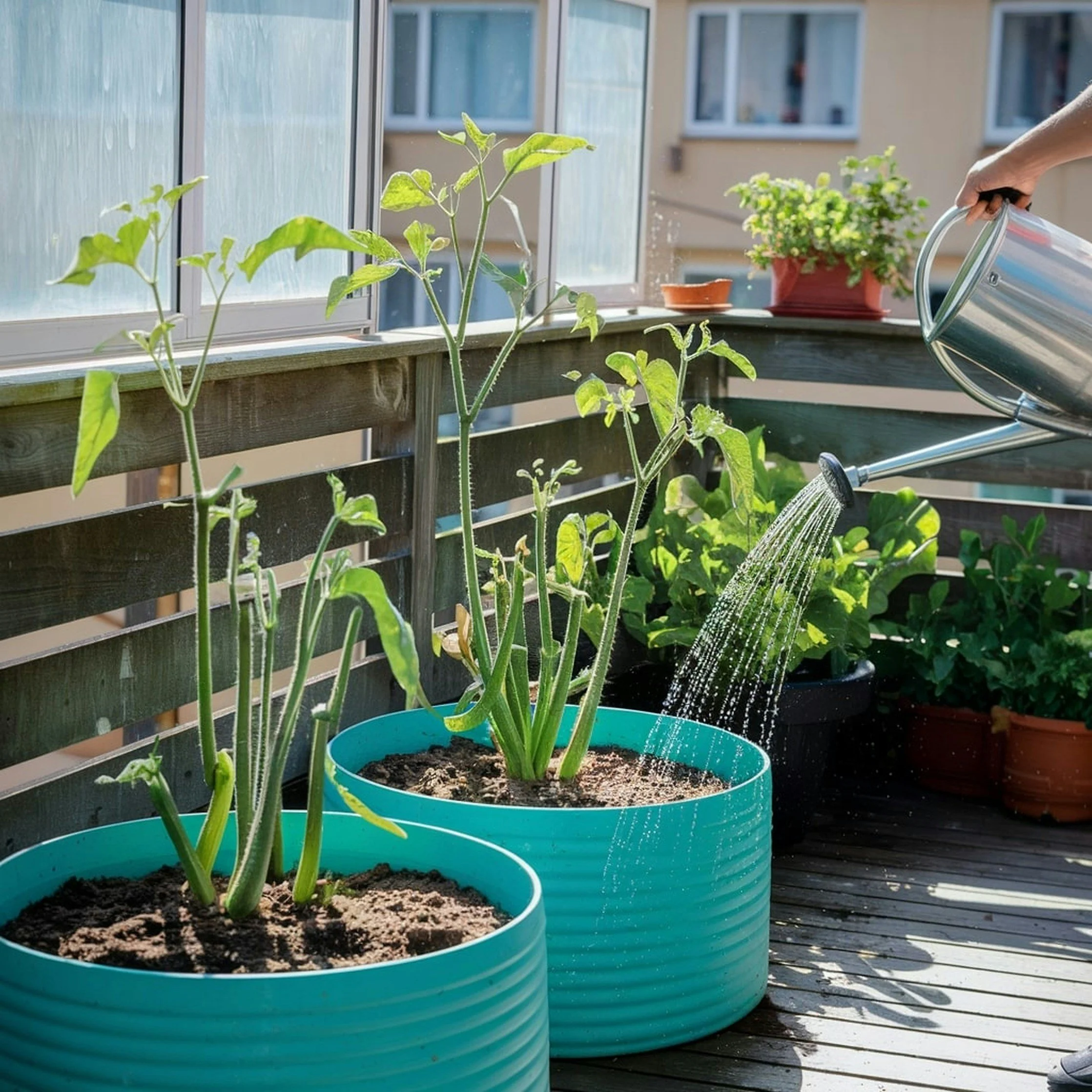
A balcony can support herbs, leafy greens, and even tomatoes
A verandah can be perfect for pots and vertical growing
A small yard can produce more than you expect with the right layout
A fence or wall can support a vertical garden
The goal isn’t perfection—it’s making your space work for you.
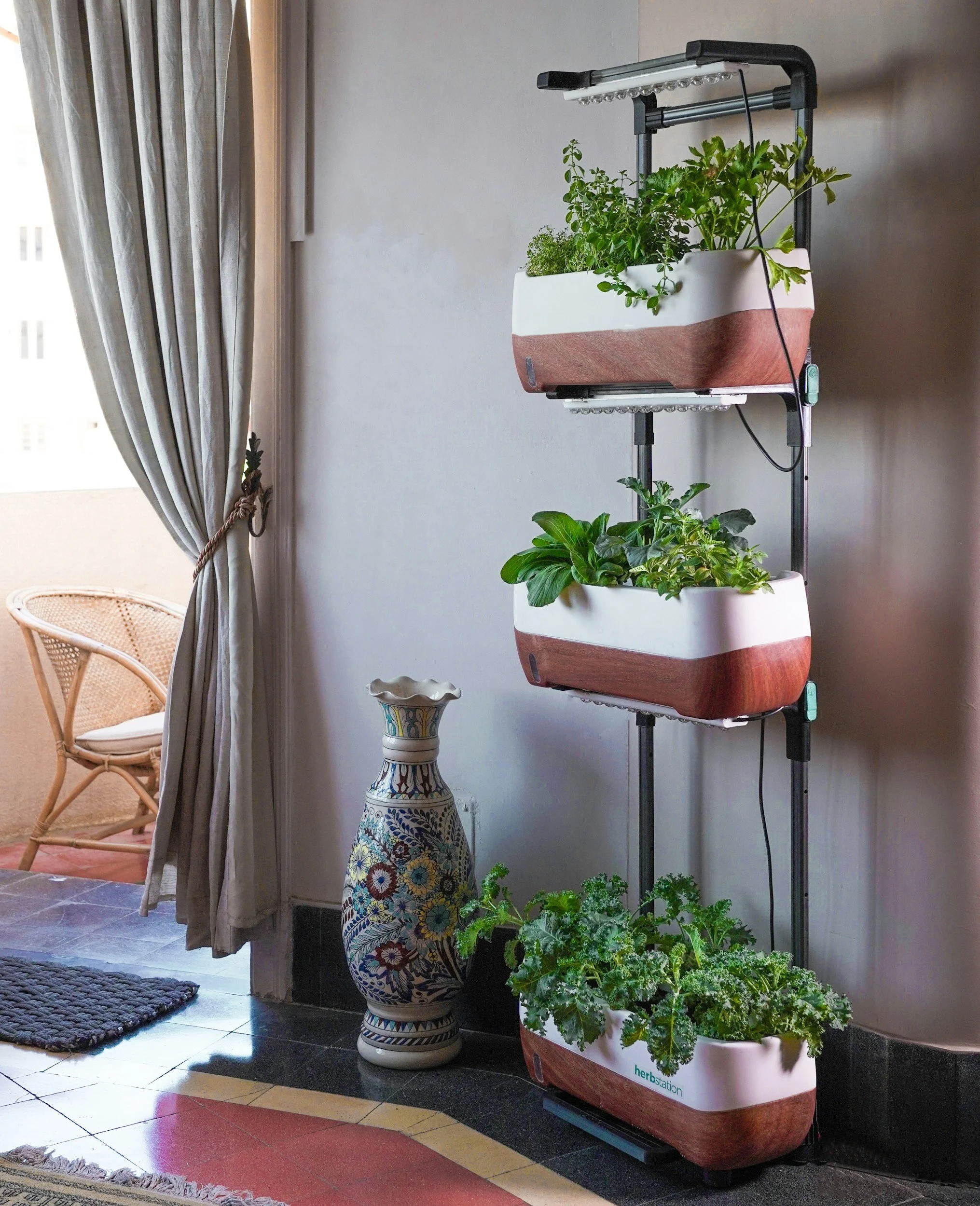
Pay attention to sunlight (this matters more than anything)
Before you buy anything, take a few days to notice:
Where the sun hits
How long it stays there
Which areas stay shaded
Most edible plants need at least 4–6 hours of sunlight a day.
This one step will save you time, money, and frustration.
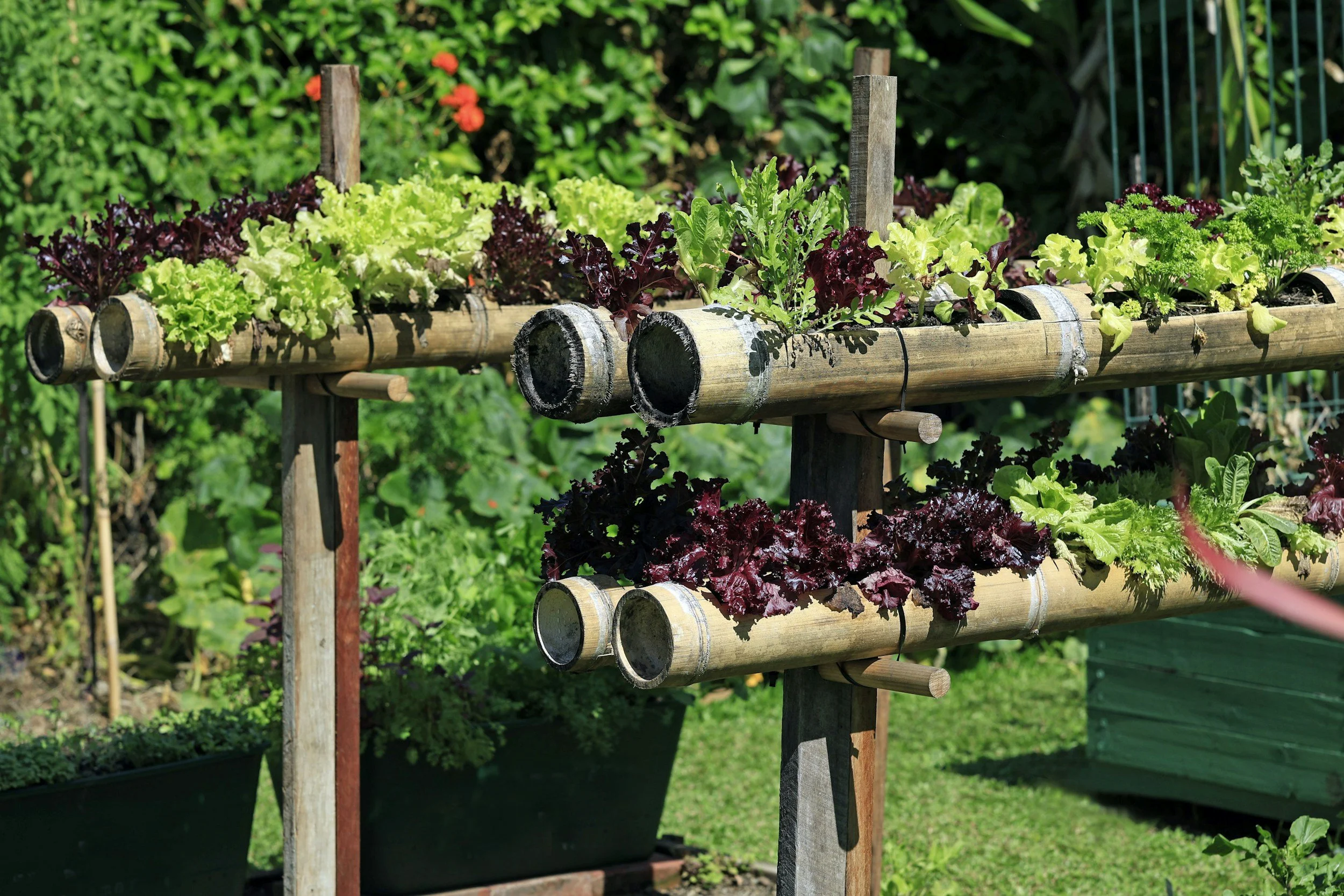
Start with easy, high-reward plants
If you’re new to growing, start with things that:
Grow quickly
Don’t need constant attention
Actually get used in your kitchen
Good beginner options:
Herbs (basil, parsley, mint)
Lettuce and leafy greens
Cherry tomatoes
Spring onions
Starting small builds confidence—and momentum.
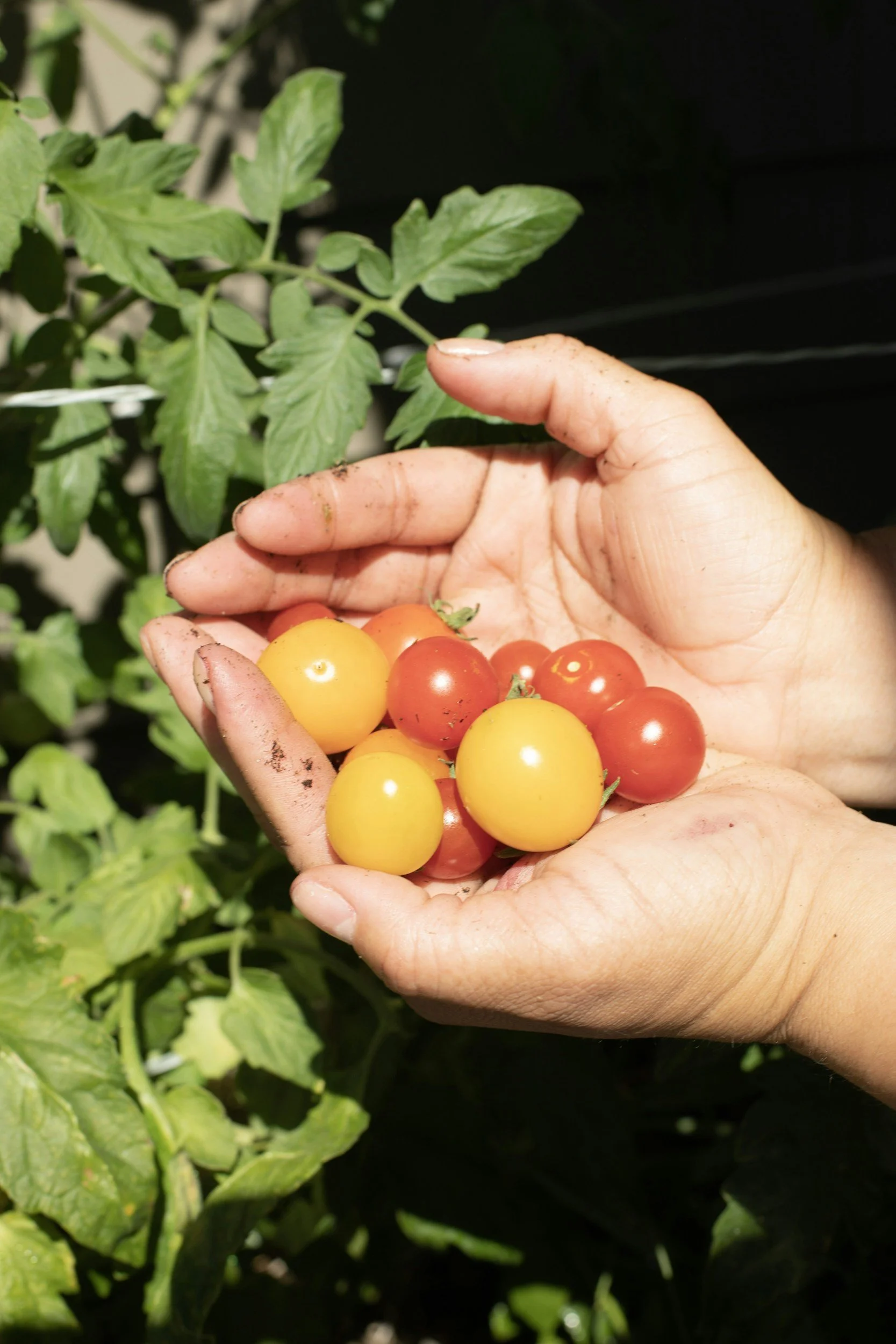
Keep your setup simple
You don’t need to build a full garden straight away.
Start with:
A few pots or containers
Good quality potting mix
A watering routine
As you learn what works, you can expand gradually.
Avoid the “all at once” trap
It’s tempting to try and create a full garden in one go, but can be overwealming.
Instead:
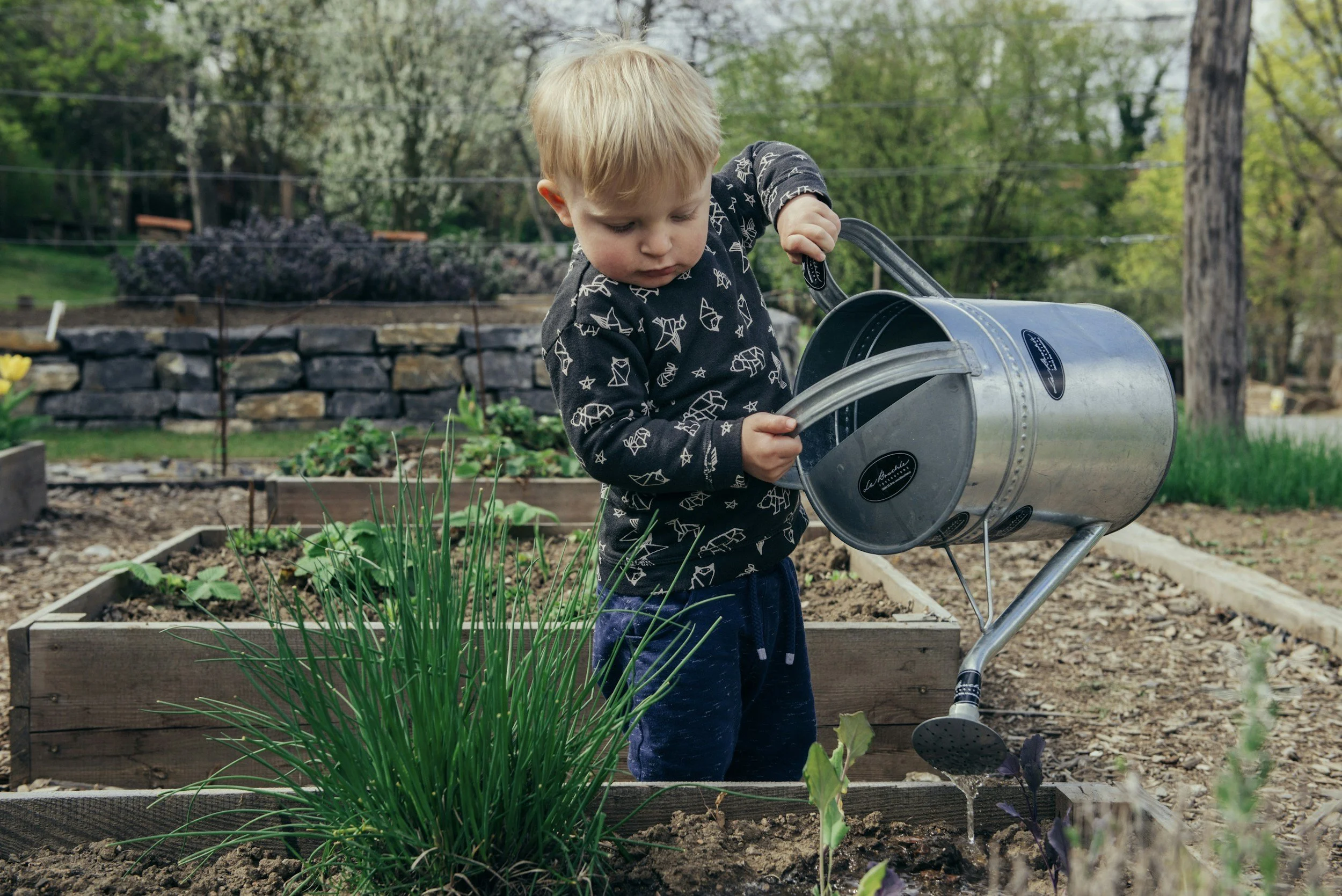
Start with 2–3 plants
Learn how they behave
Add more as you go
This approach is more sustainable—and more successful.
Have realistic expectations
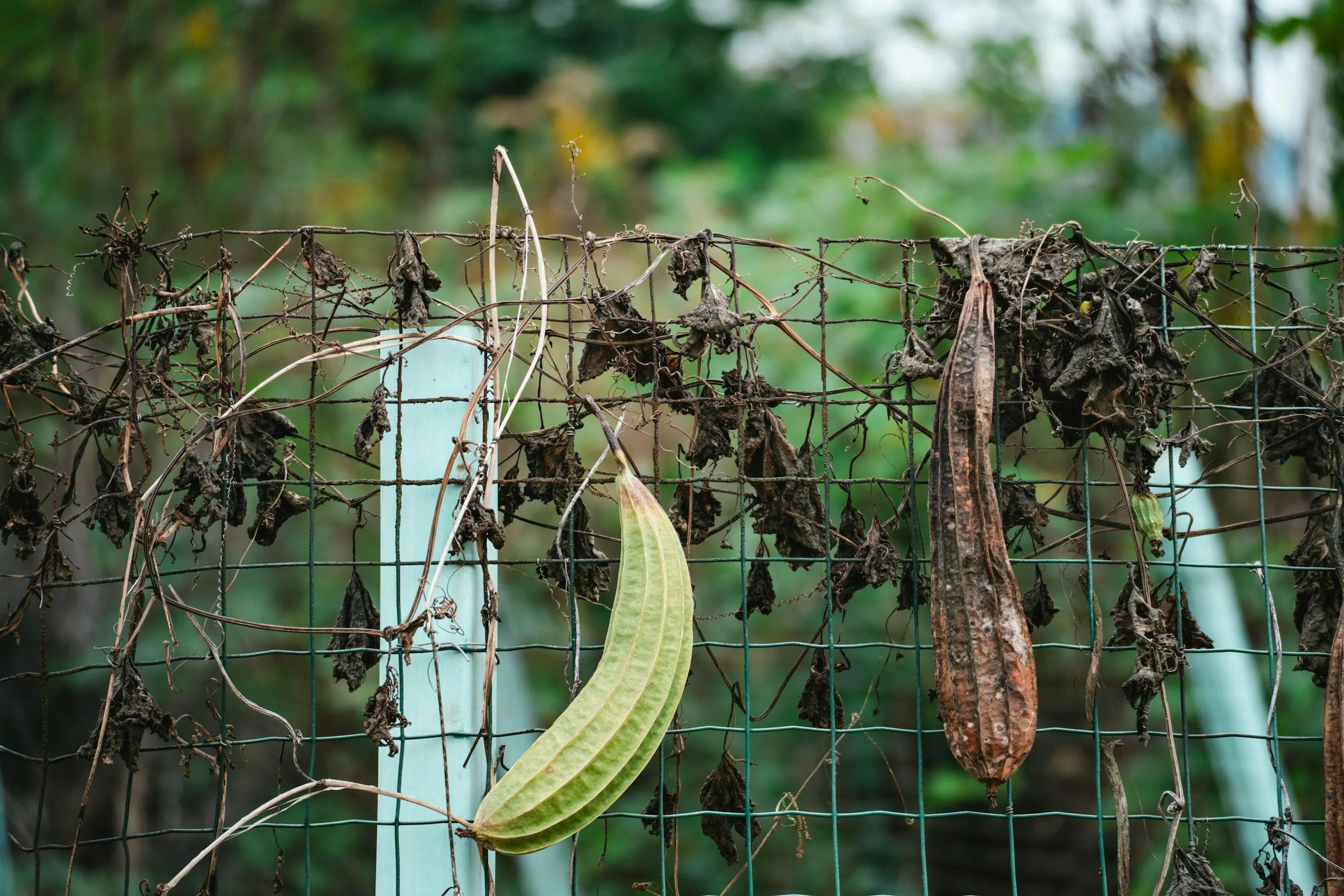
Most common garden vegetables are referred to as ‘annual’ plants. Annual plants complete their life cycle in one season and then die. So after nurturing them till they produce a crop, they die to make way for the next season’s crop - whatever that may be. In the process they tend to leave seeds into the soil, making for a pleasant surprise the following year.
I personally enjoy pulling spent plants out at the end of their season, turning and composting the soil, then planting whatever I like that will grow well in the season to follow.
Common annual plants and herbs:
Vegetables: Tomatoes, cucumbers, capsicums, lettuce, beans, corn and carrots
Herbs: Basil, cilantro (corriander) and dill
A helpful next step (if you want a clear plan)
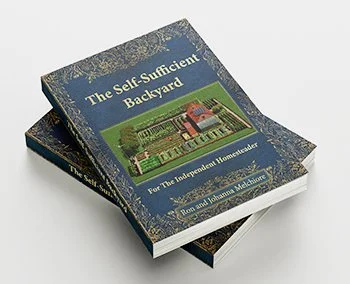
If you want a clear, step-by-step guide to setting up a productive garden, check out The Self-Sufficient Backyard. This guide might look a little old-school—but that’s actually part of its value. It has been written by a couple who have mastered the art of growing a self-sufficient back yard over many years. Their advice comes from real experience, focussing on practical methods proven to work time after time. Priceless!
Final thoughts
You don’t need a perfect setup to start growing your own food.
Whether it’s a few pots on a balcony or a more established backyard setup, the key is to begin with what you have—and build from there.
Small steps can lead to something surprisingly productive over time.
This post contains affiliate links. I may earn a small commission at no extra cost to you.